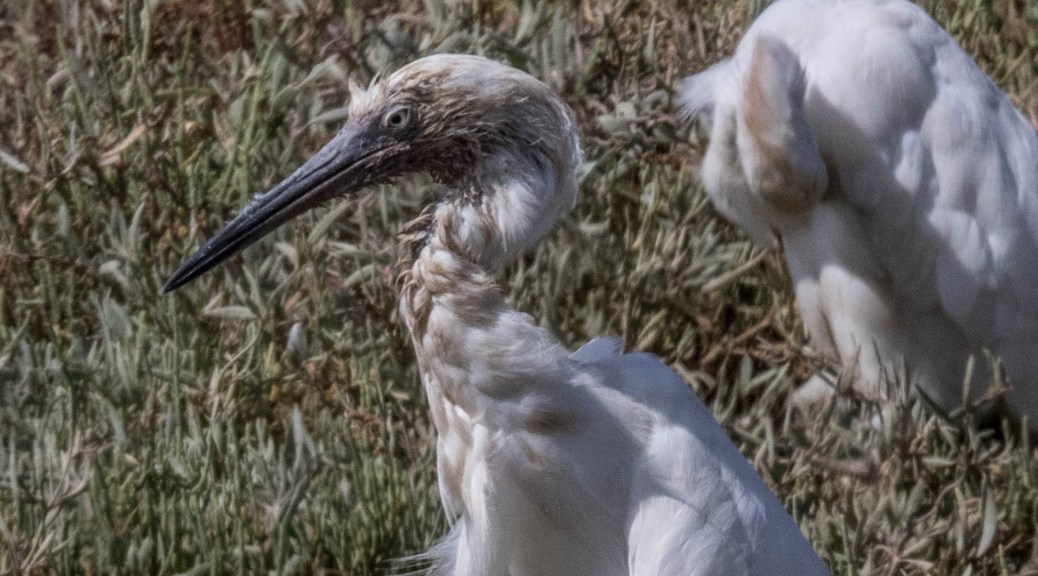
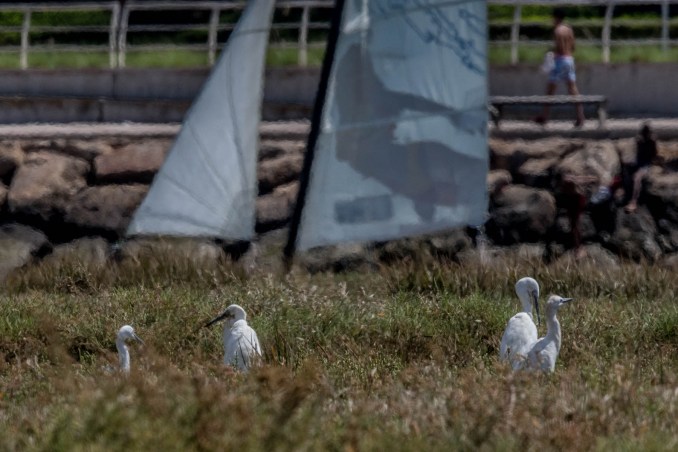
The Little Egret (Egretta garzetta, Seidenreiher) feeds in the tidal wetlands of Rabat’s city river Bouregreg , but also does not hesitate to search food in the city garbage
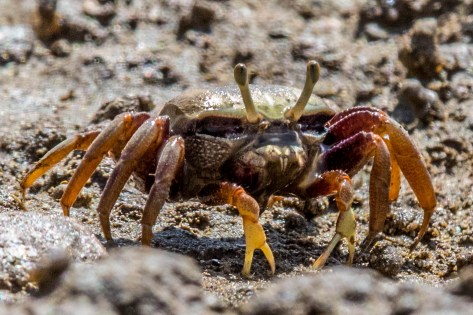
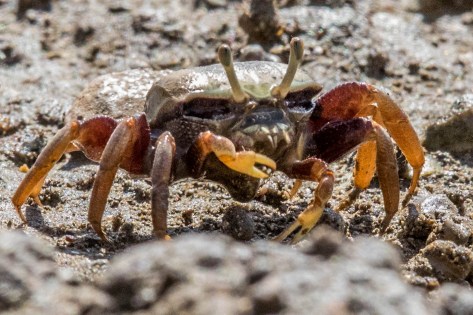
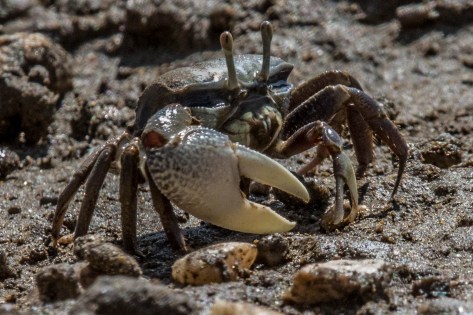
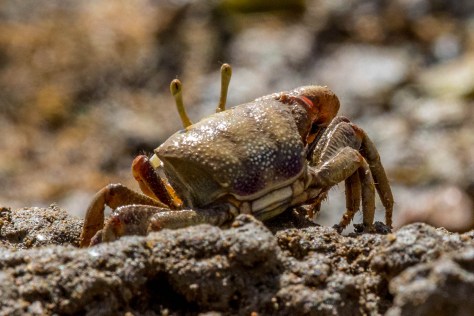
During low tide fiddler crabs (Uca pugilator, Sandfiedlerkrabbe) abandon their holes in the muddy wetlands. They ingest particless of mud. Males have one extra large pincer.
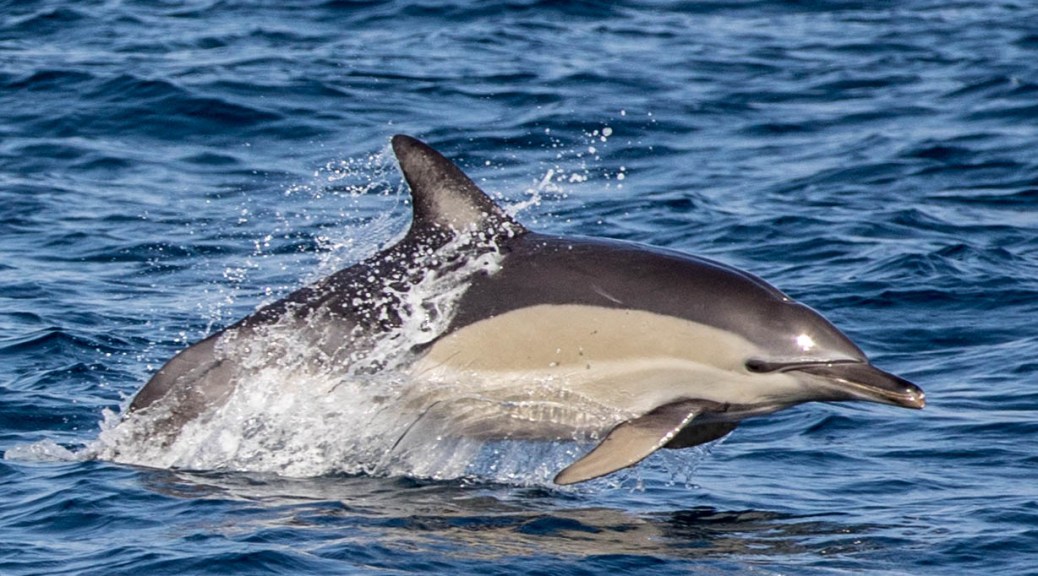
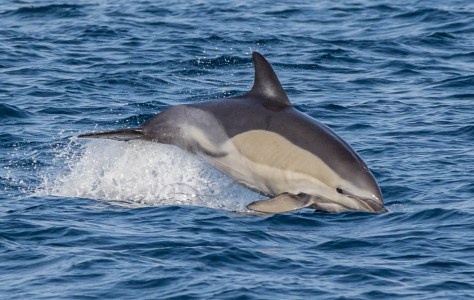
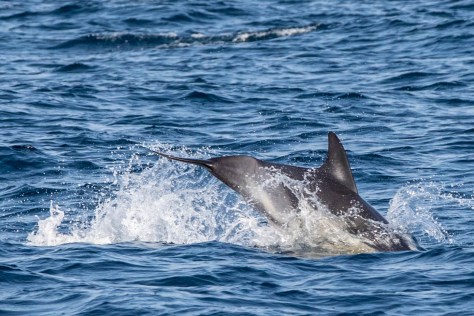
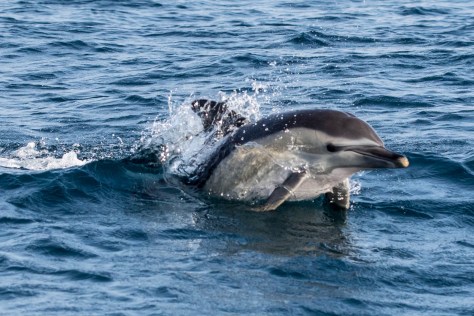
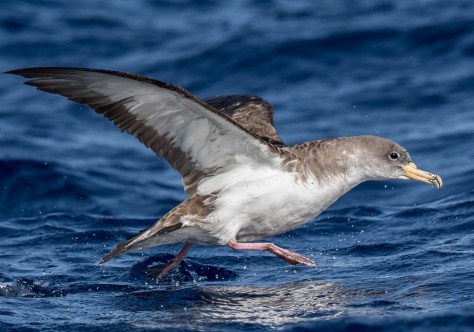
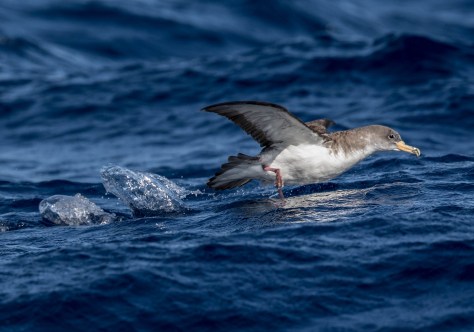
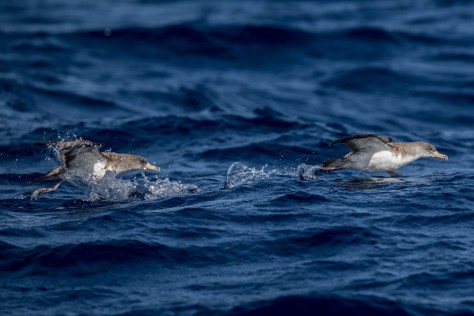
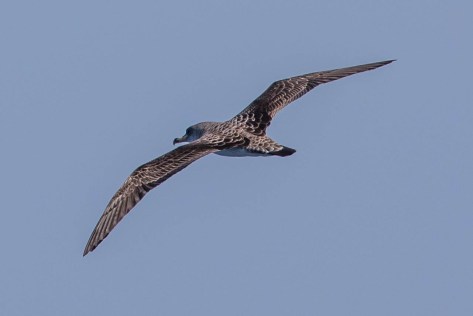
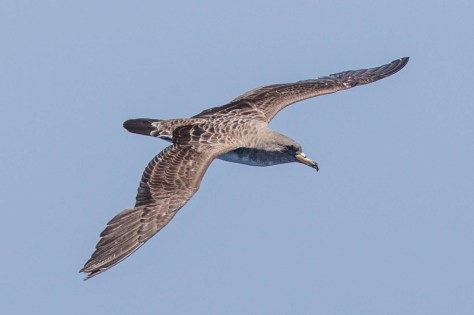
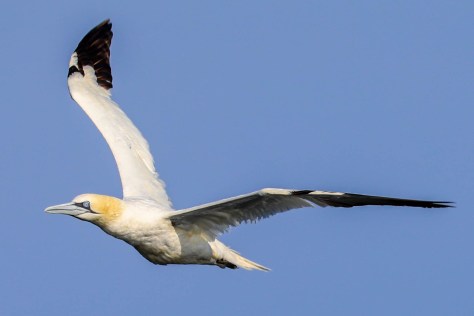
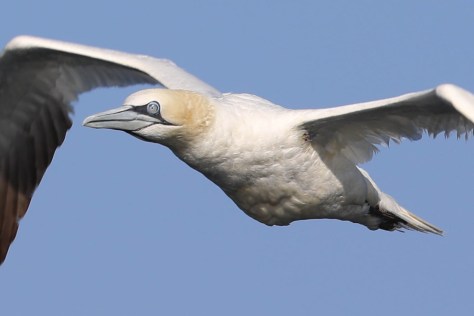
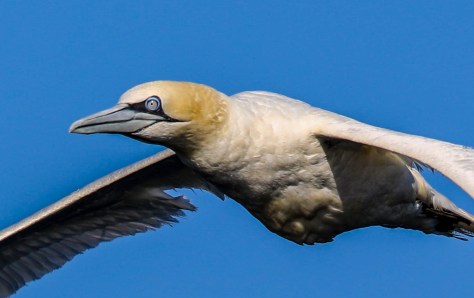
We did again encounter bottlenose dolphins (Tümmler) – a school of thirty or more followed us for half an hour. Only few species of birds visit the sailor on the open ocean, a hundred miles or more away from land. One of those are Cory’s Shearwater (Puffinus diomedea, Sepiasturmtaucher). They breed on land, but live on the ocean. As in North France, Northern Gannets (Morus bassanus, Basstölpel) occasionally showed up. By the way, it was a brilliant passage from Rabat, Morocco to the Canary Islands. Good winds, moderate atlantic swell and four dark nights without moon, but with a clear sky and the milky way.
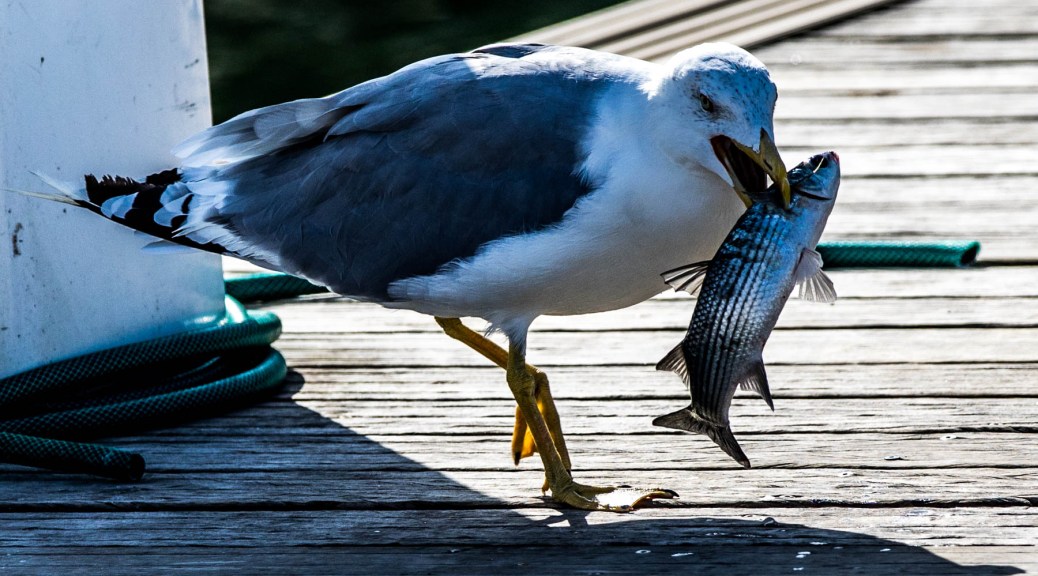
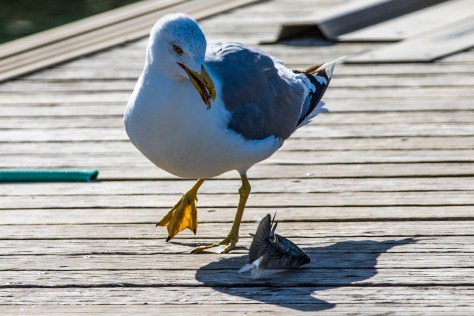
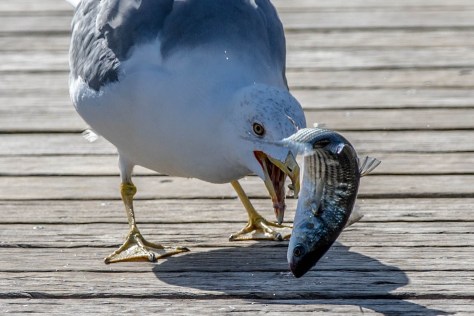
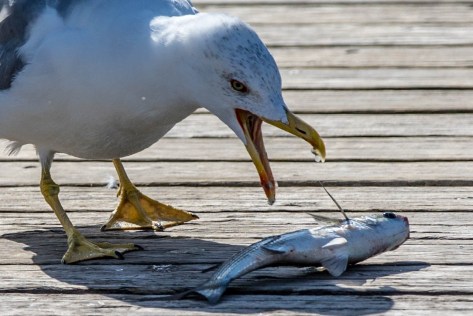
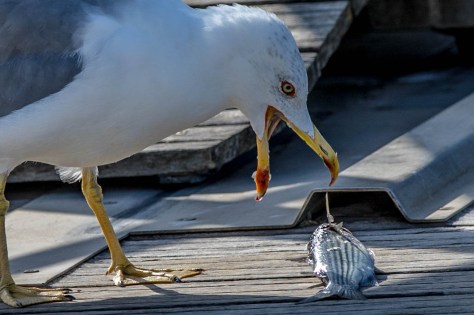
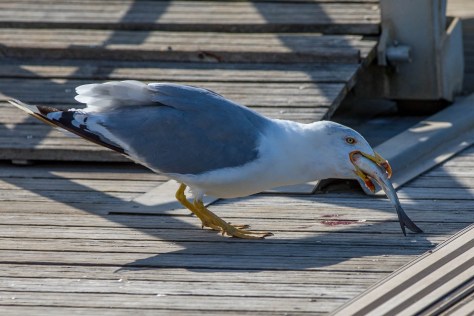
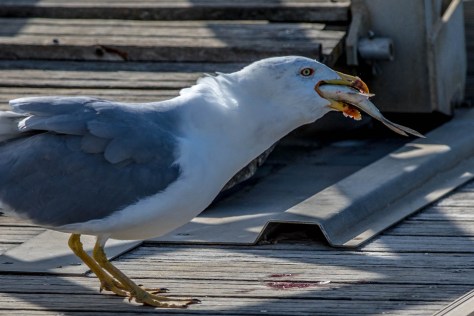
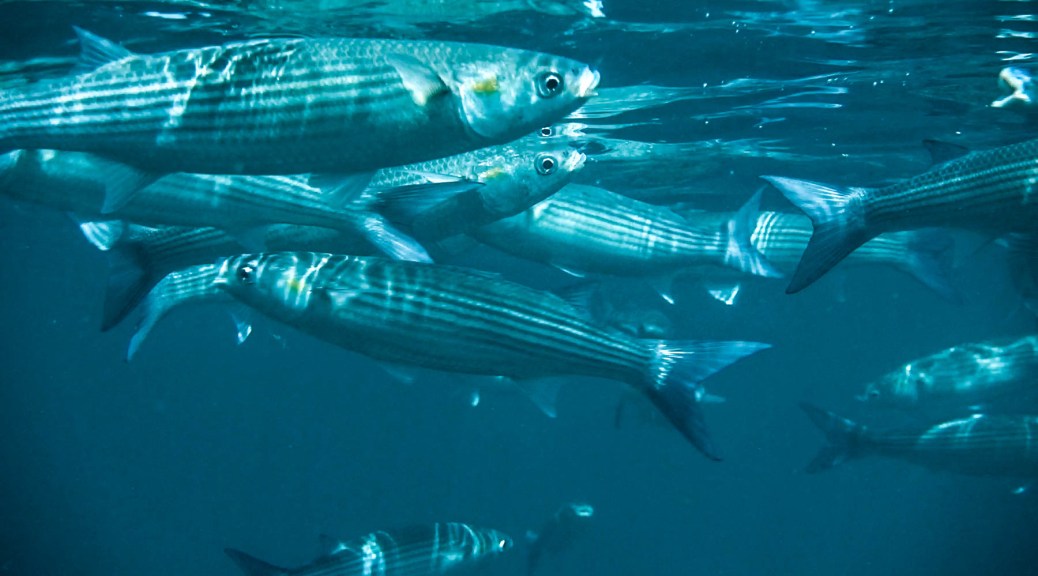
See gulls do not only follow fishing boats looking for the left overs (link), but they also know how to catch their own fish. This yellow-legged gull (Larus michahellis, Mittelmeermöve), observed in Rabat, however, encountered a problem. It caught a rather large fish. Fish should be swallowed head first always.
After weeks of cold water at the Atlantic coasts of France, Spain and northern Portugal, the Algarve, with its nearly mediteranien climate, invites to snorkeling and diving.
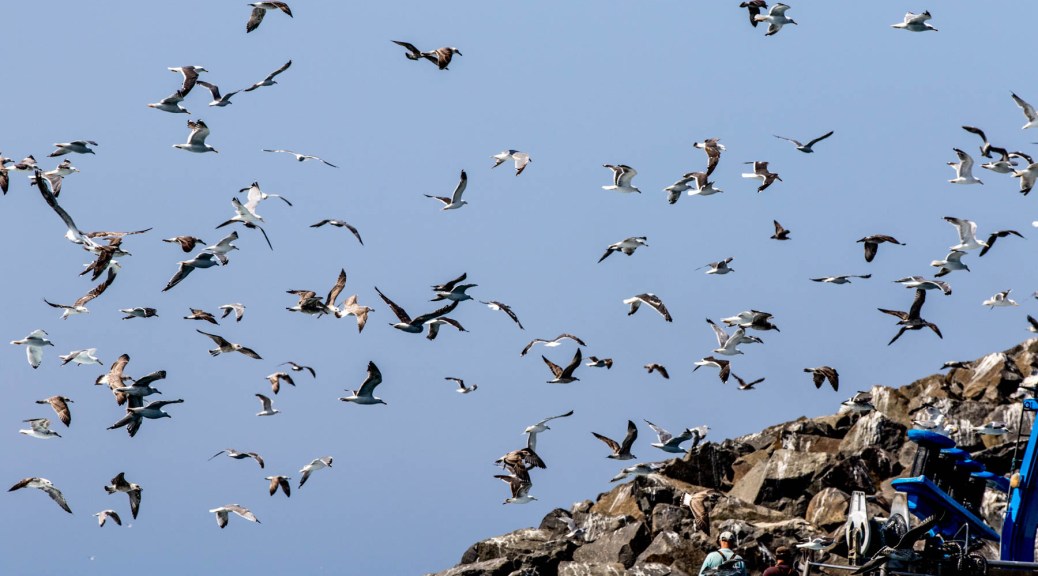
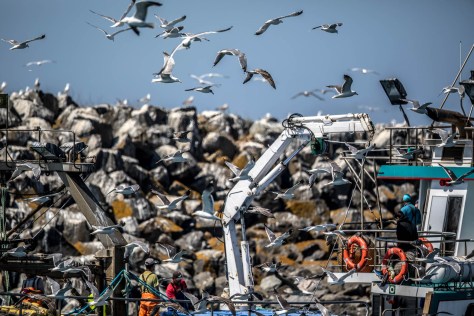
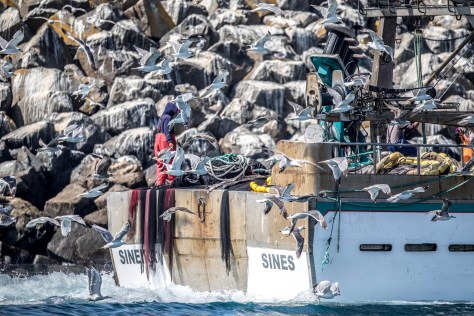
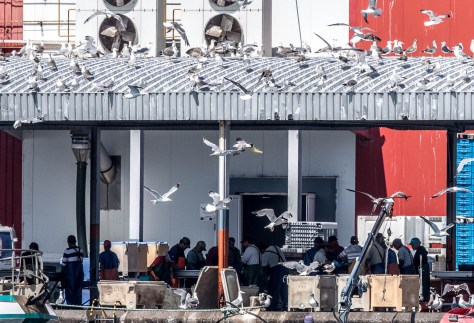
Sesimbra and Sines, busy fishing harbors south of Lisbon on the way to the Algarve. Never before did we see so many seagulls in one place. Luckily, the gulls did not fight our drone.
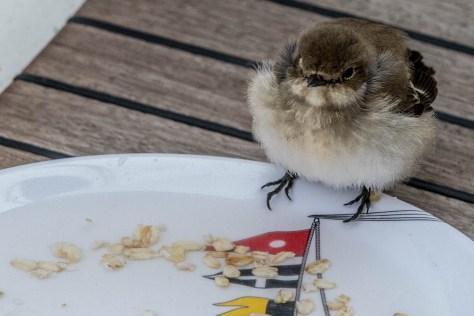
After cruising five miles offshore for twenty hours, avoiding container ships in the night, not so many birthday guests could be expected to enjoy the delicous vegetarian lunch. However, one surprise guest made it to our ship. The sparrow happily accepted a drink.
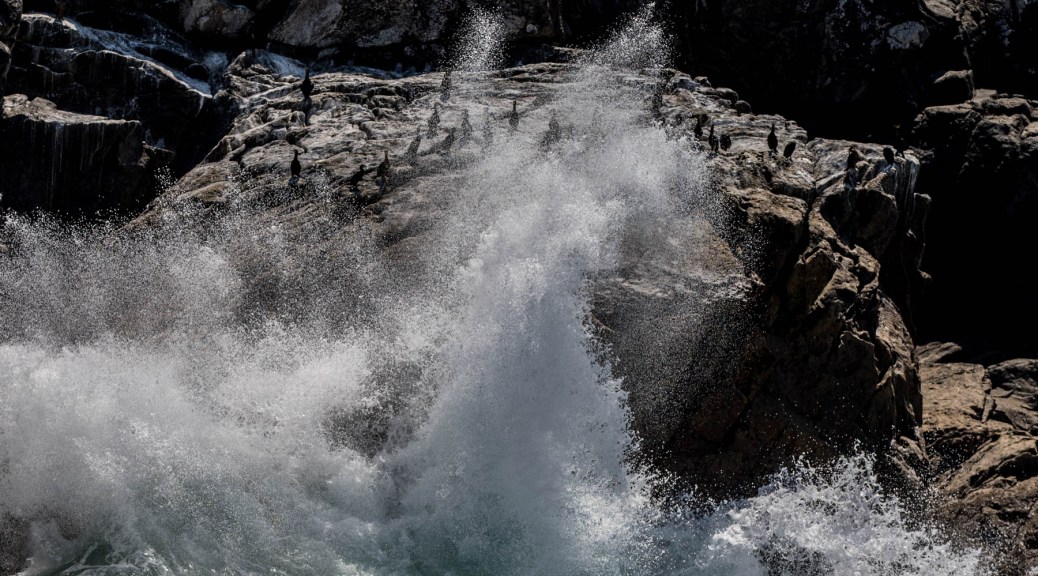
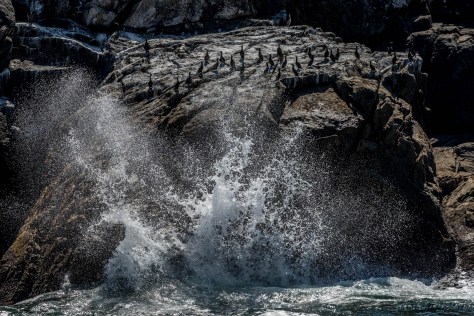
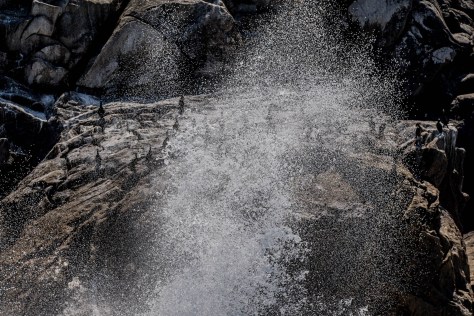
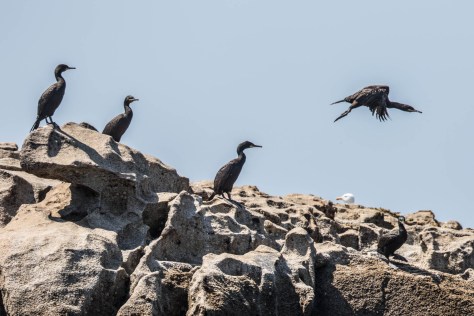
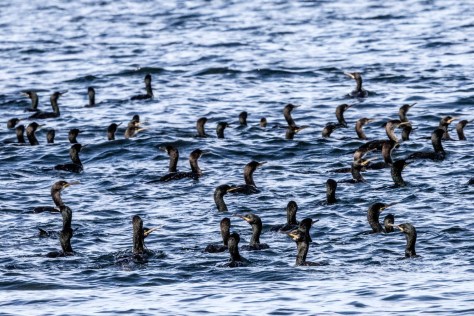
Cormorants (Kormorane) are fish-eaters and excellent divers, some have been found to dive as deep as 45 metres. They have relatively short wings due to their need for economical movement underwater, and consequently have the highest flight costs of any flying bird. These were observed at the Islands of Cies, National Park Galicia, but they range around the world, except for the central Pacific islands. (https://en.wikipedia.org/wiki/Cormorant)
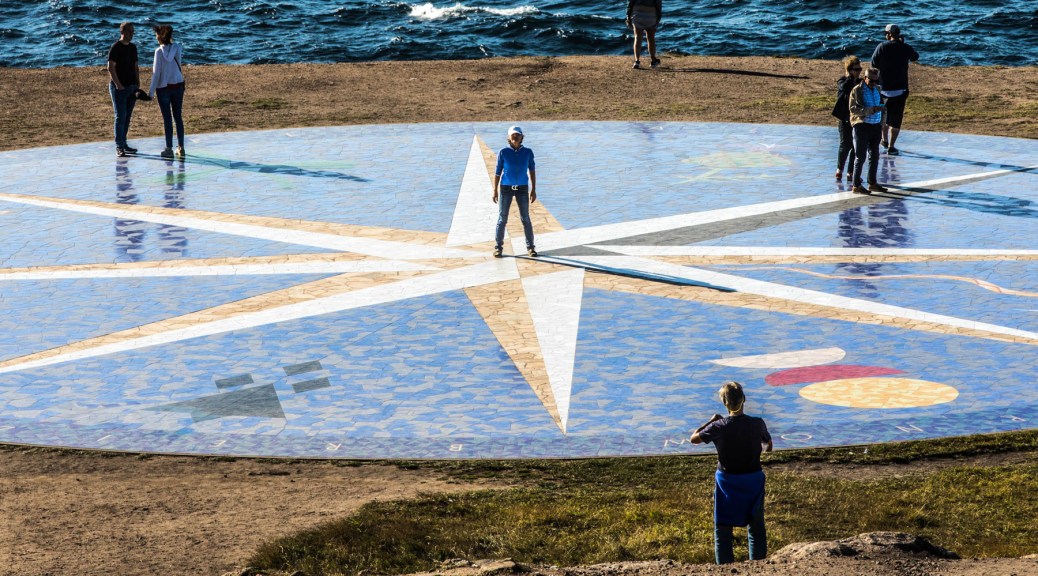
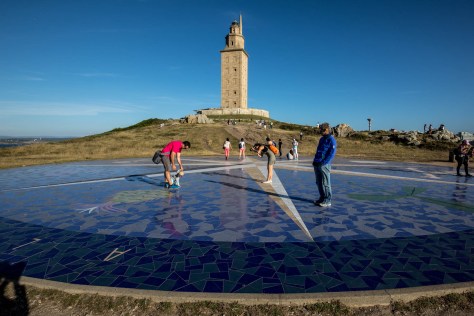
Some of the countries on our route have a strong celtic tradition: France with Brittany (Breizh, Bretagne) and north-western Iberia with Galicia (Gallaecia), northern Portugal and Asturias. In A Coruñ, Galicia, we visited the compass rose that represents the different Celtic peoples.
In Lorient (Brittany), we participated in the Festival Interceltique. Here, each summer, about 700,000 people gather to celebrate Celtic tradition and Celtic dancing:
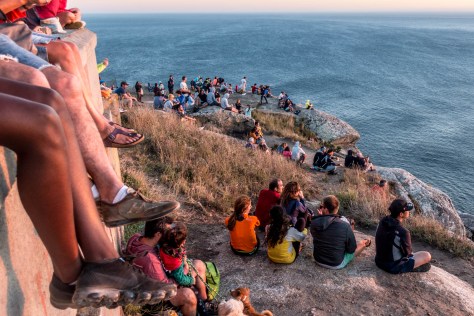
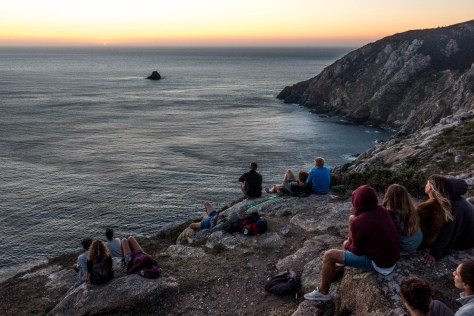
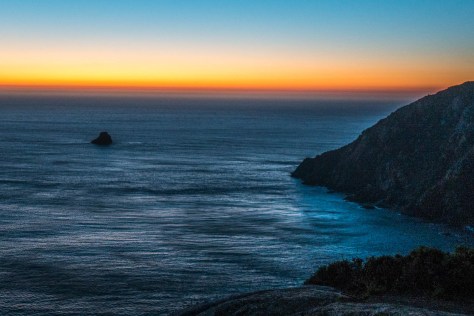
Cabo de Finisterre (spanish) or Cabo Fisterra (galician): for many pilgrims, watching the sundown here is the end of the journey following the Camino de Santiago (Way of Saint James way, Jakobsweg). Many follow its routes as a form of spiritual path or for hiking and cycling. The cape Finisterre is one of the westernmost points of the Iberian Peninsula.


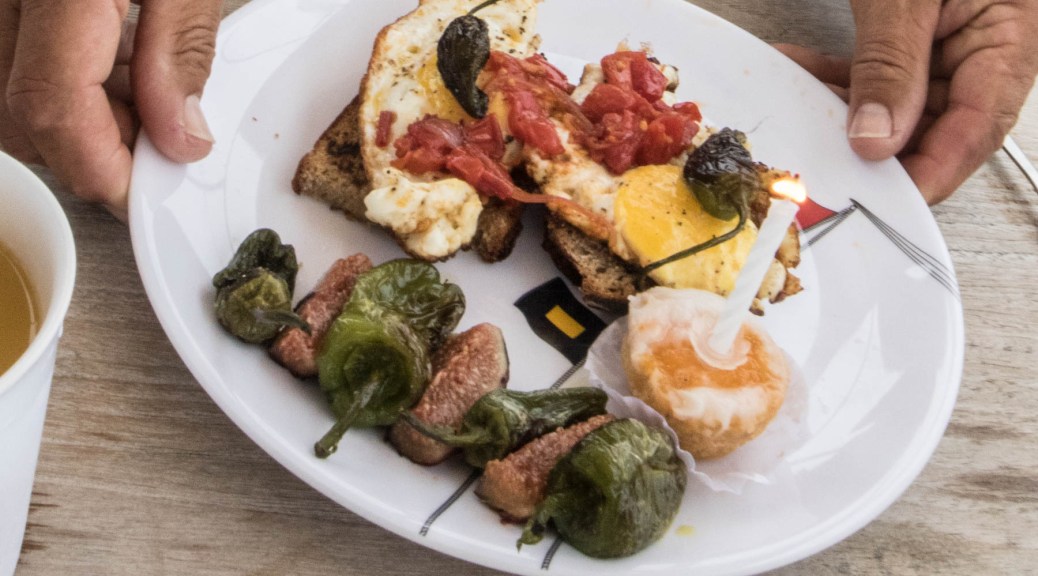
 After cruising five miles offshore for twenty hours, avoiding container ships in the night, not so many birthday guests could be expected to enjoy the delicous vegetarian lunch. However, one surprise guest made it to our ship. The sparrow happily accepted a drink.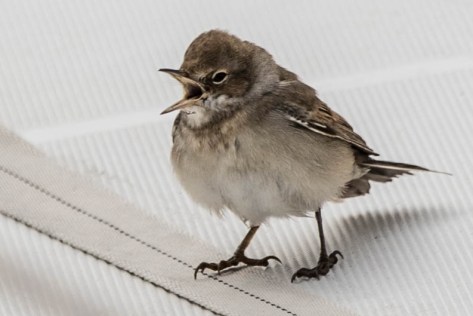

 In Lorient (Brittany), we participated in the Festival Interceltique. Here, each summer, about 700,000 people gather to celebrate Celtic tradition and Celtic dancing: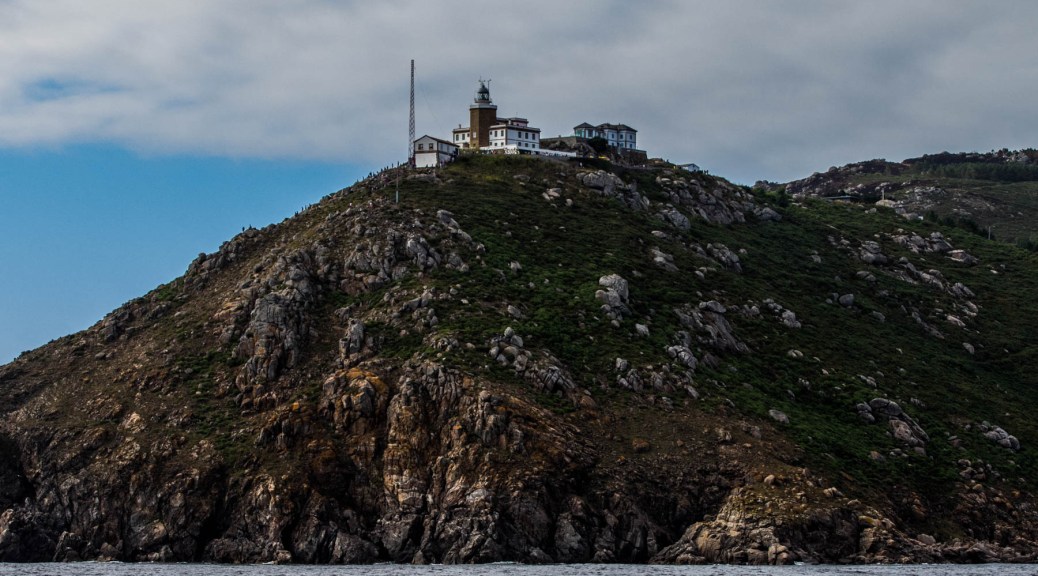

 coconutmilk.de