
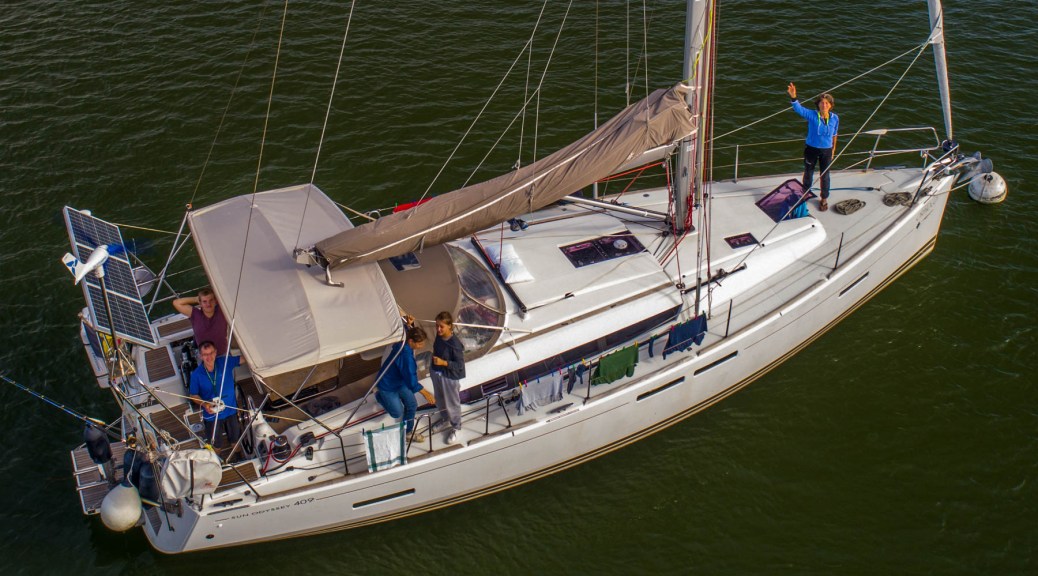
Three-Eleven from the air:
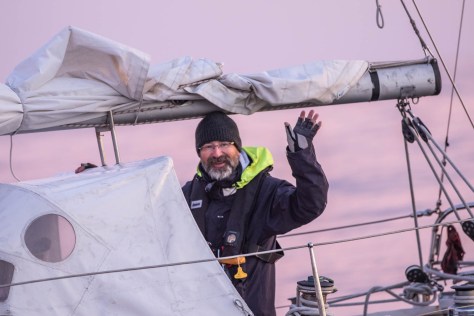
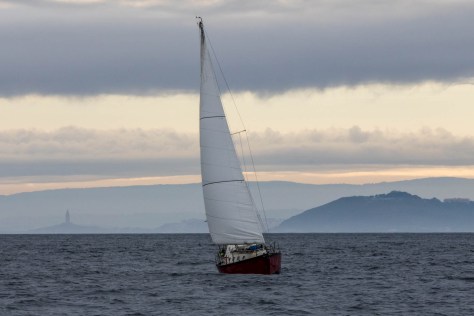
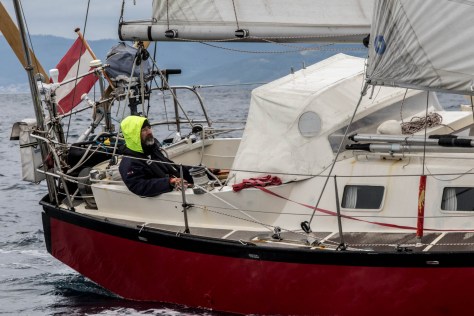
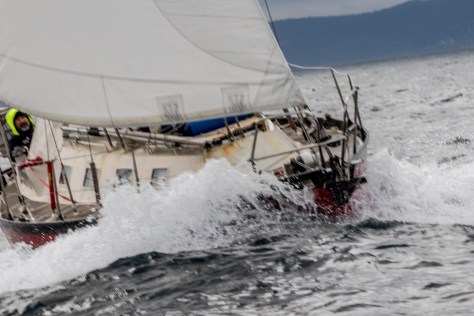
Our dear Austrian friend Alex, sailing in the Atlantic Ocean from England to Portugal, joins us for a week with his iron made Sailing Boat Three-Eleven to visit the beautiful rias (deep bays) of Galicia, North Spain.

Three-Eleven from the air:
Our dear Austrian friend Alex, sailing in the Atlantic Ocean from England to Portugal, joins us for a week with his iron made Sailing Boat Three-Eleven to visit the beautiful rias (deep bays) of Galicia, North Spain.
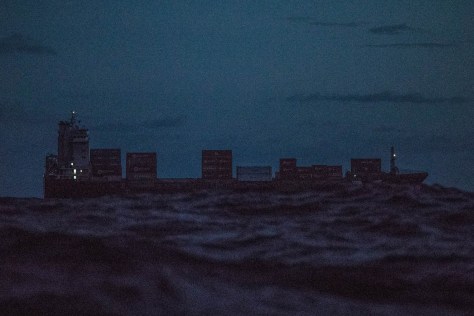
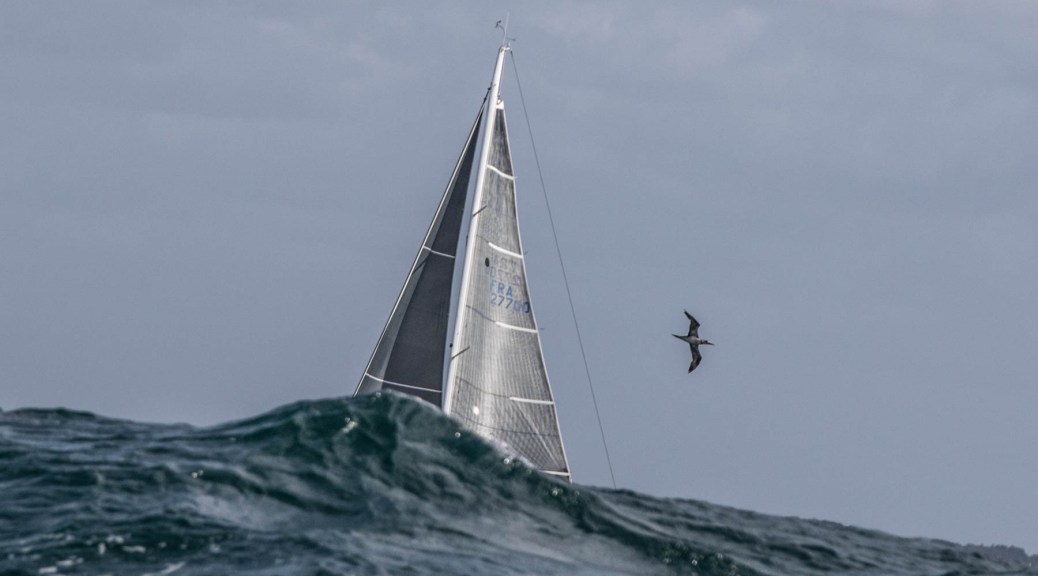
Crossing the Biscay from France (Brittany) to Spain (Galicia): a challenge for sailors. Three nights and two days on the open ocean, hoping not to run into a southwest storm, that builds steep waves. We had good wind at first, rain in the end and never enough sleep.

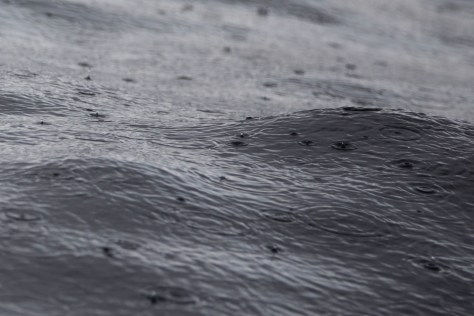
Rain Radar: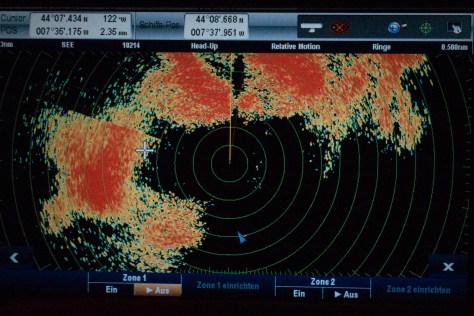
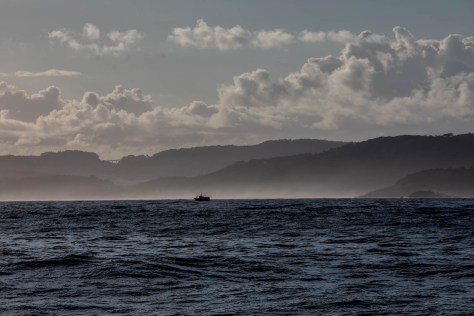
A Coruna, North Spain (meeting point fo blue water sailors): Torre de Hercules.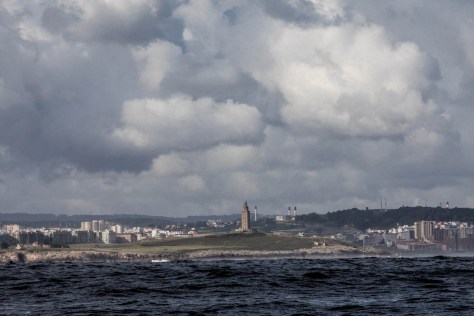
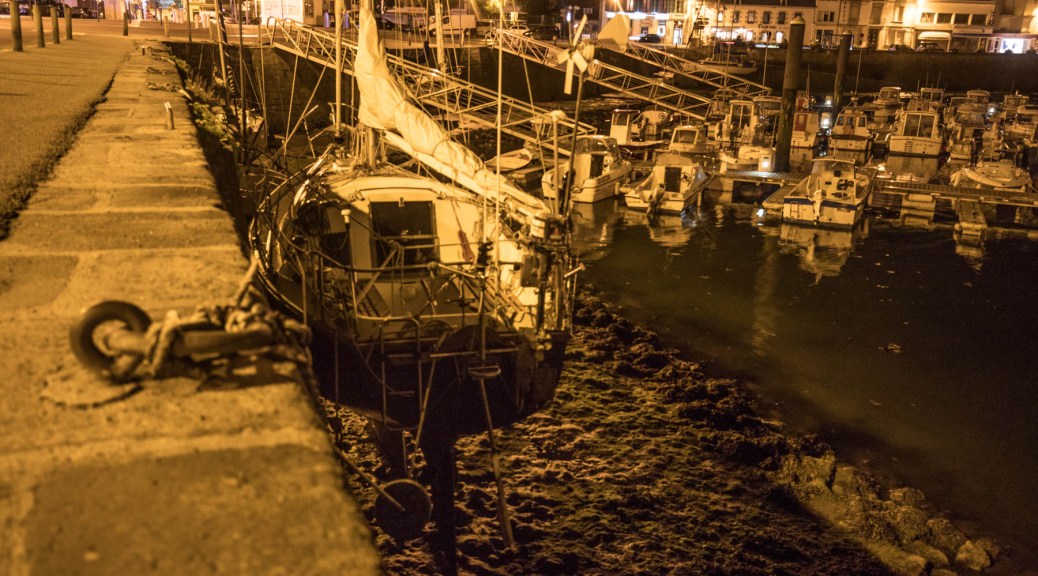
Guernsy, one of the islands in the English Channel, has quite remarkable high and low tides. When entering a harbour, a sailor should know his tide times and tide charts.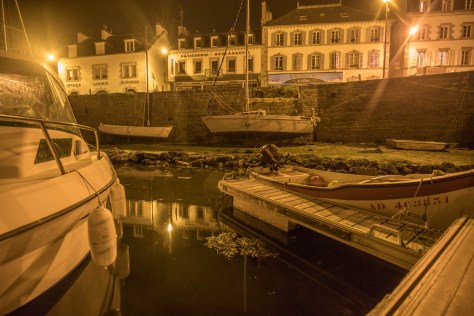
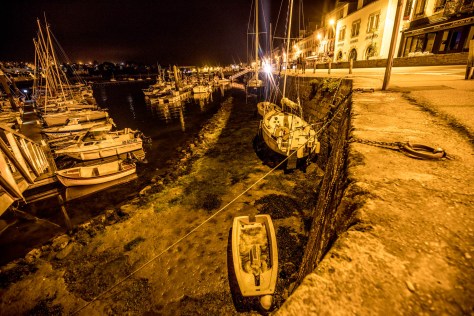
We spend the days and night in the open ocean, at anchor or in harbours. A good breakfast is essential in all these conditions.
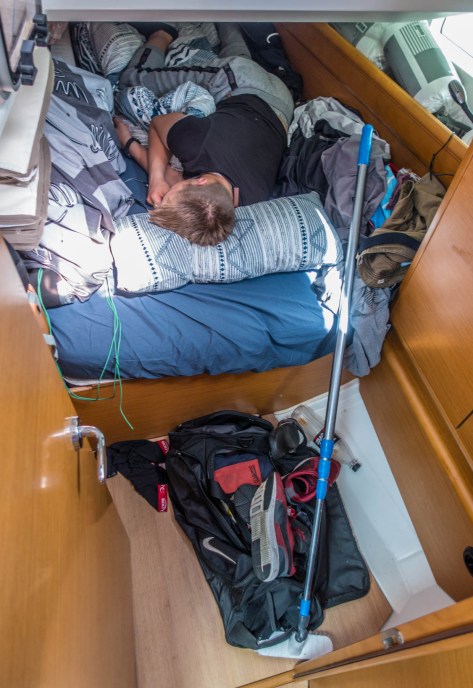
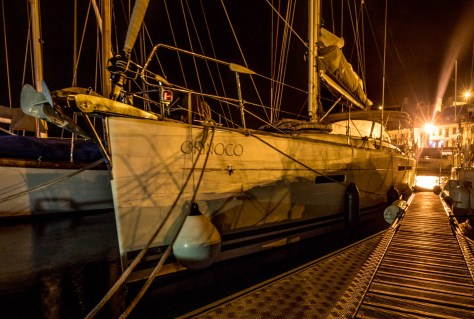
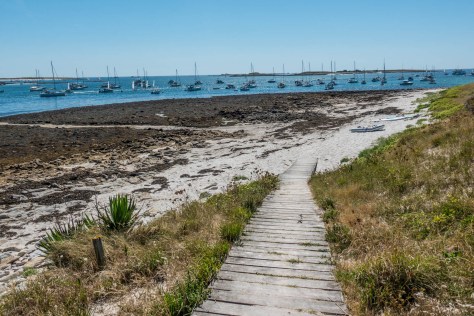
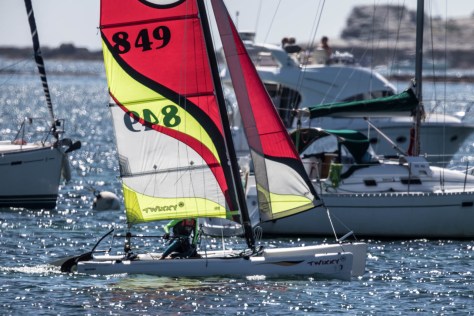
The Îles de Glénan are an archipelago of islands about 10 miles off the south coast of Britanny (Bretagne), only accessible in summer. They are famous with yachting people and are as close to caribbean feeling as a place in Britanny can get. They are well known for their sailing and diving schools.
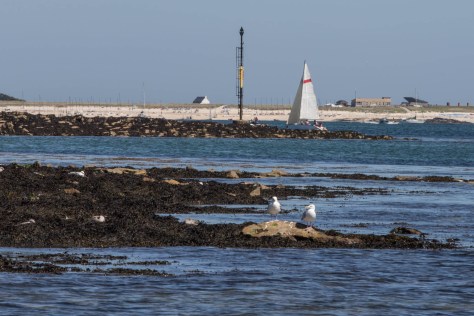
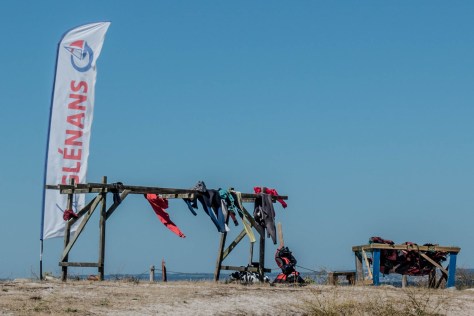
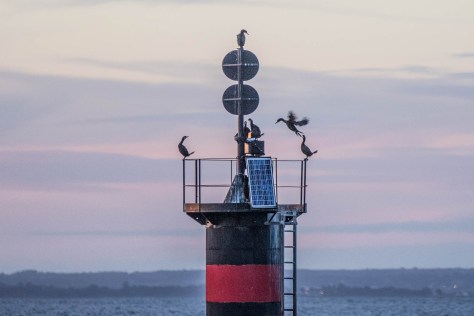
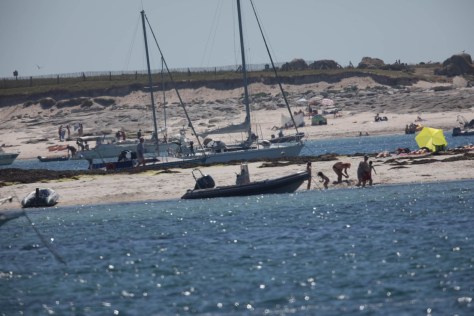
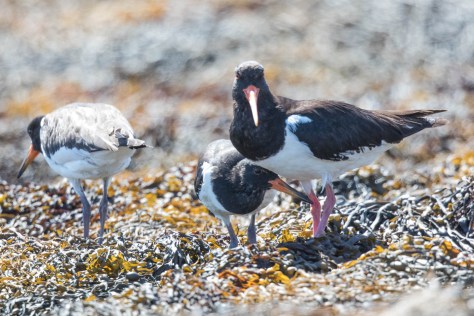
Eurasian oystercatcher at low tide at the shores of Îles de Glénan. They open molluscs or dig up worms. Despite its name, oysters do not form a large part of their diet. 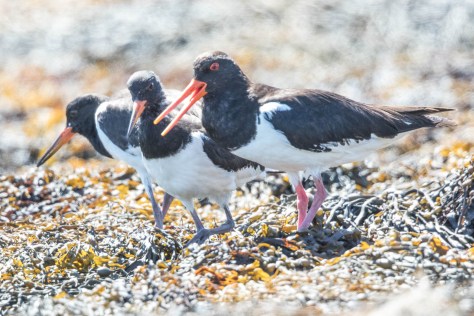
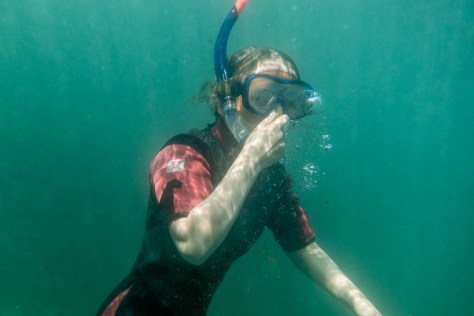

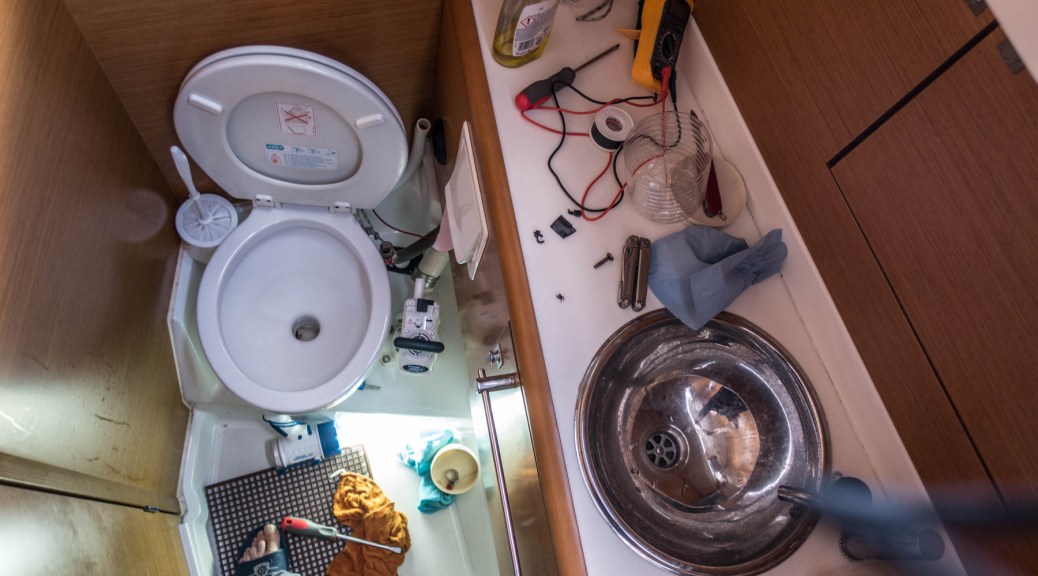
Which technical skill is most important for blue water sailing? Most yachtsmen will certainly agree: toilet repair skills are most valuable for circling the world. We offer a serious discount for travelers with this important practical knowlegde.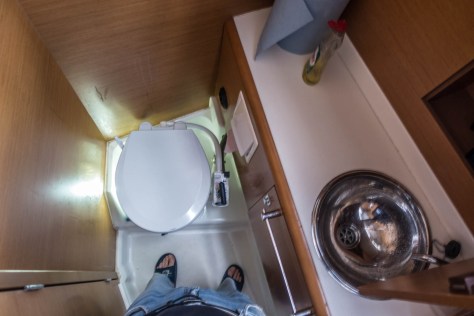
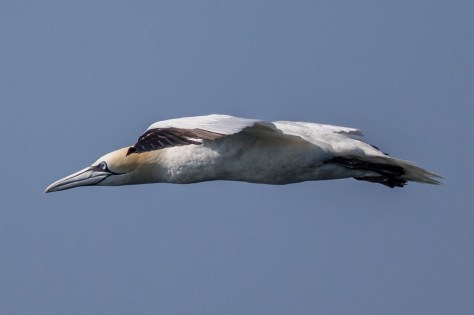
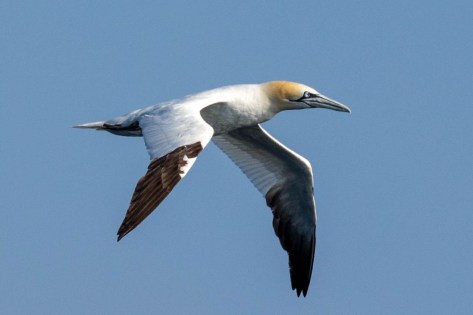
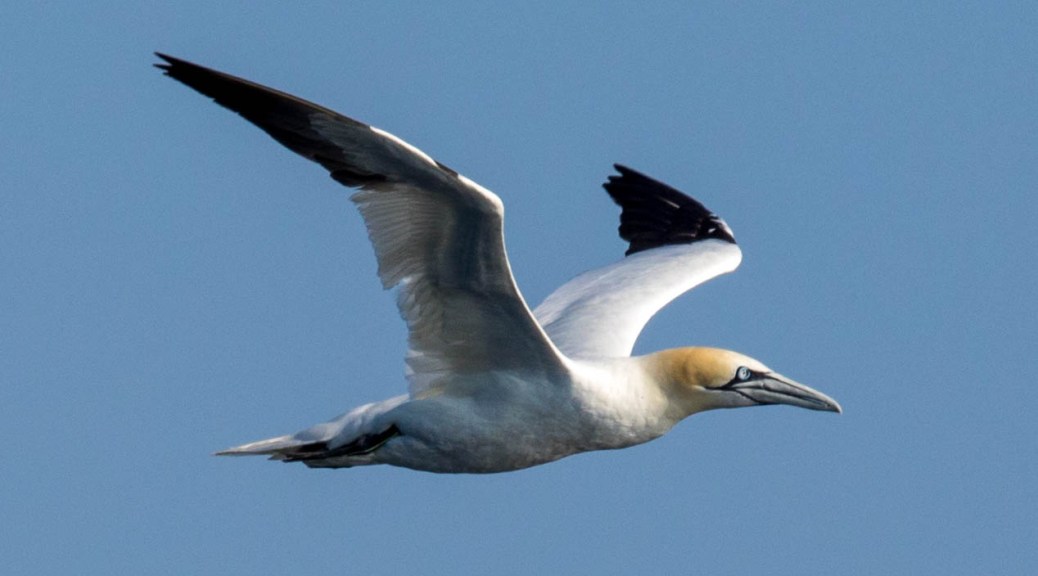
When crossing the Channel and sailing in Britanny, quite often we encountered the northern gannet (Basstölpel, Morus bassanus) far away from land. It is native to the coasts of the Atlantic Ocean and breeding in Western Europe. They search for food during the day, generally by diving at high speed into the sea. Birds that are feeding young have been recorded searching for food up to 320 km from their nest. They dive for fish from between 11 and 60 m. (see https://en.wikipedia.org/wiki/Northern_gannet)

The common tern (Fluseeschwalbe, Sterna hirundo) we observed at the river Odet at Marina Benodet, South Brittany. They fed by plunge-diving for fish in the river. When seeking fish, they flied head-down. They circled or hoverd before diving.


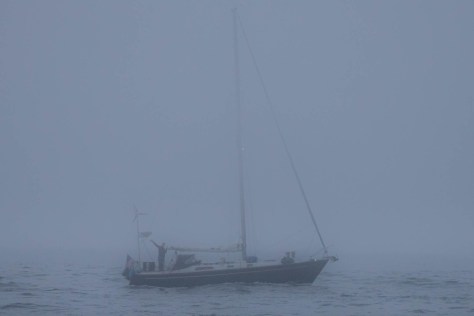
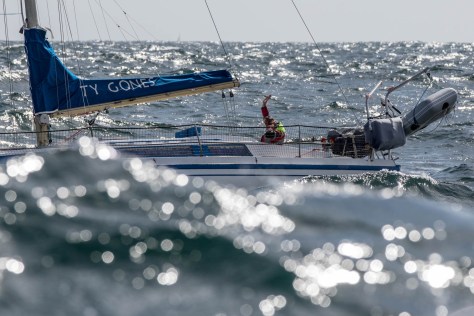
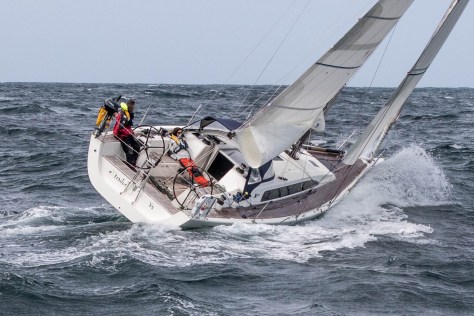
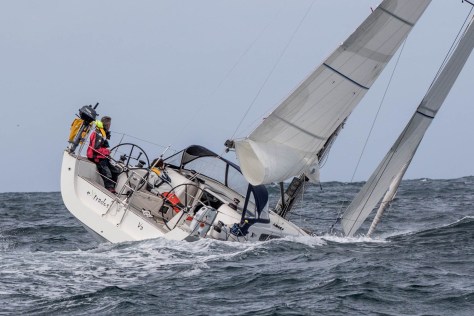
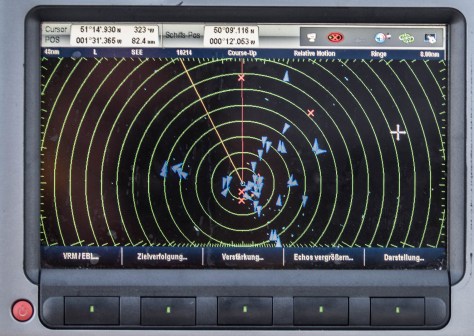
After crossing the foggy Channel with the help of radar, the full moon led us the way into the Antlantic in direction to Britanny (Bretagne). High and long Atlantic waves and good winds provided a lot of fun for us and a few other sailors.

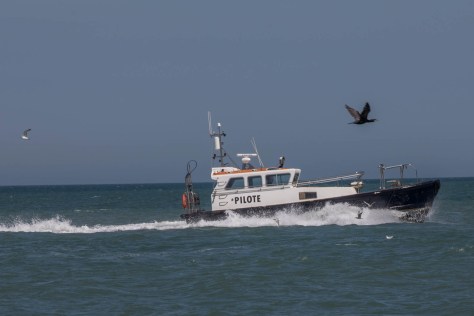
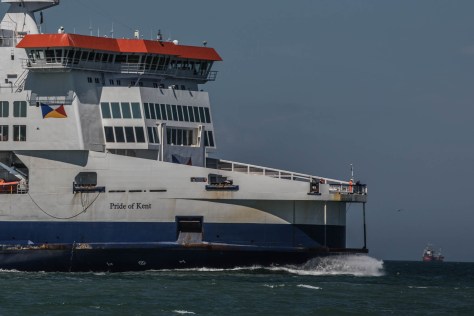
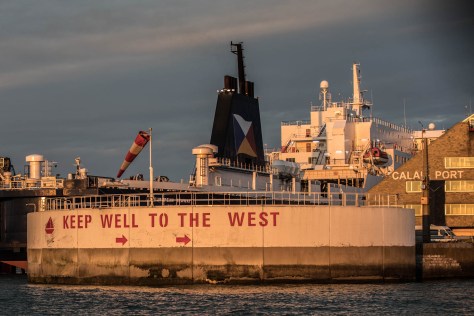
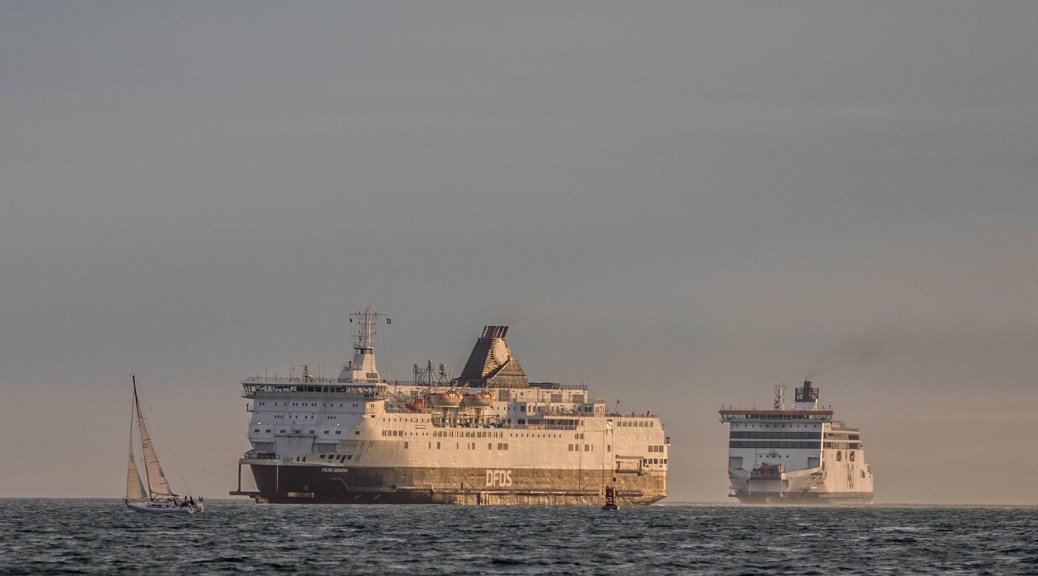
Calais ferry port, the busy connection between France to England: The pilot boat rushes in and out. After having watited for two hours, port control finally allows us to enter the marina, ordering us to keep well to the west. We will do that – until Australia.
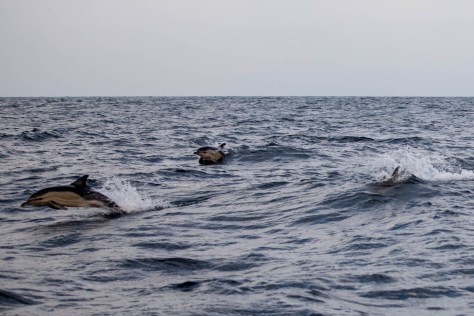
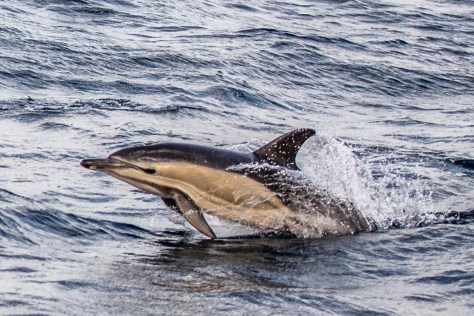
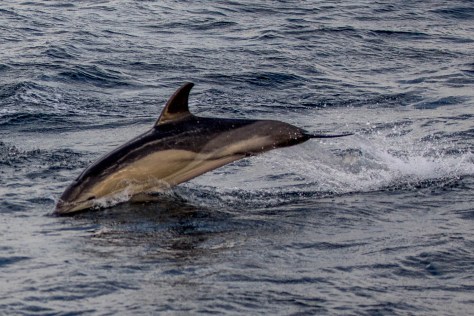
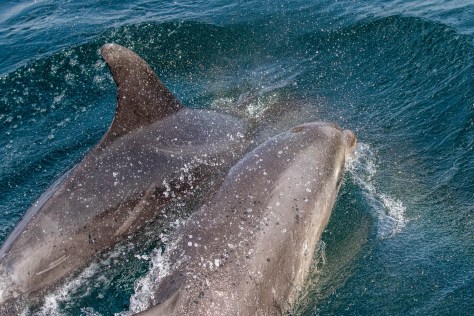
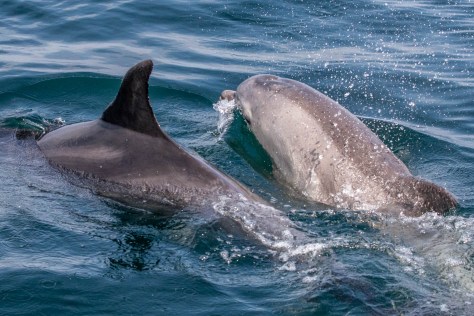
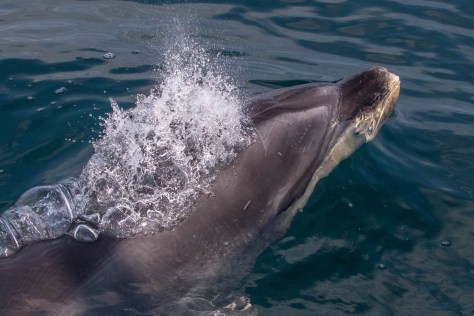
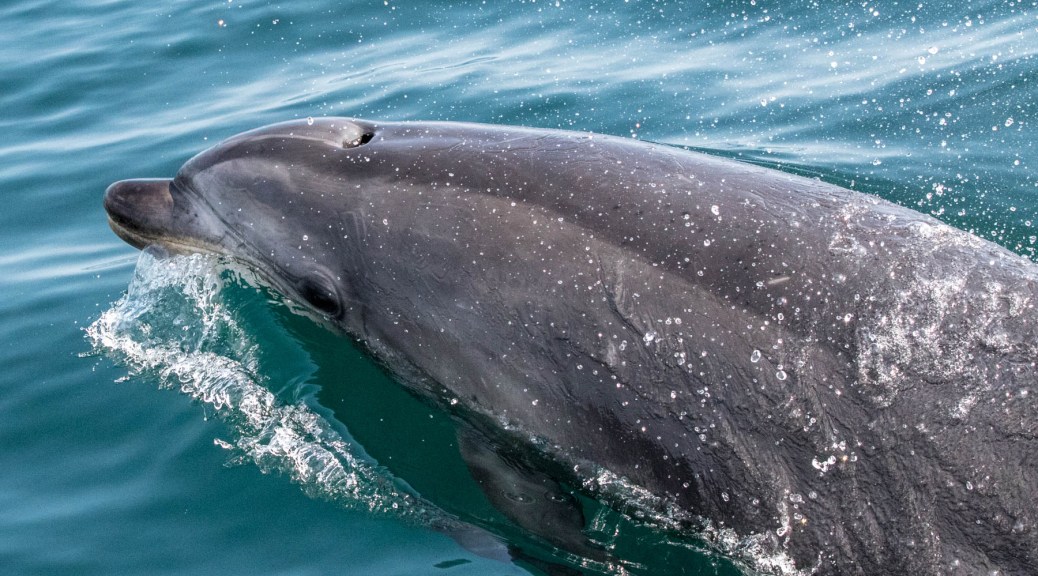
A school of maybe twenty bottlenose dolphins (großer Tümmler) in the Channel between England and France near the coast of the Normandy. The family with young and old animals enjoys swimming with the boat. 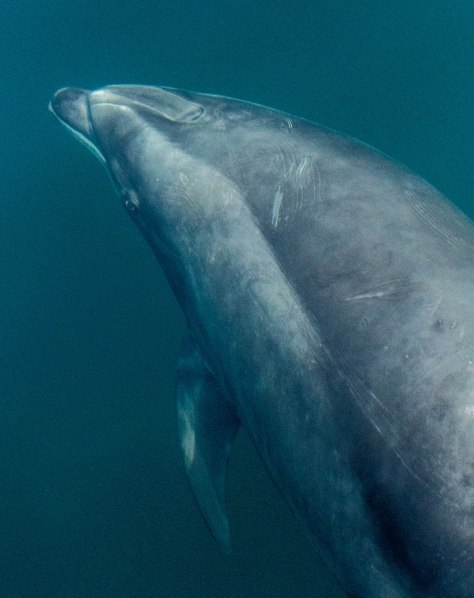

 coconutmilk.de