
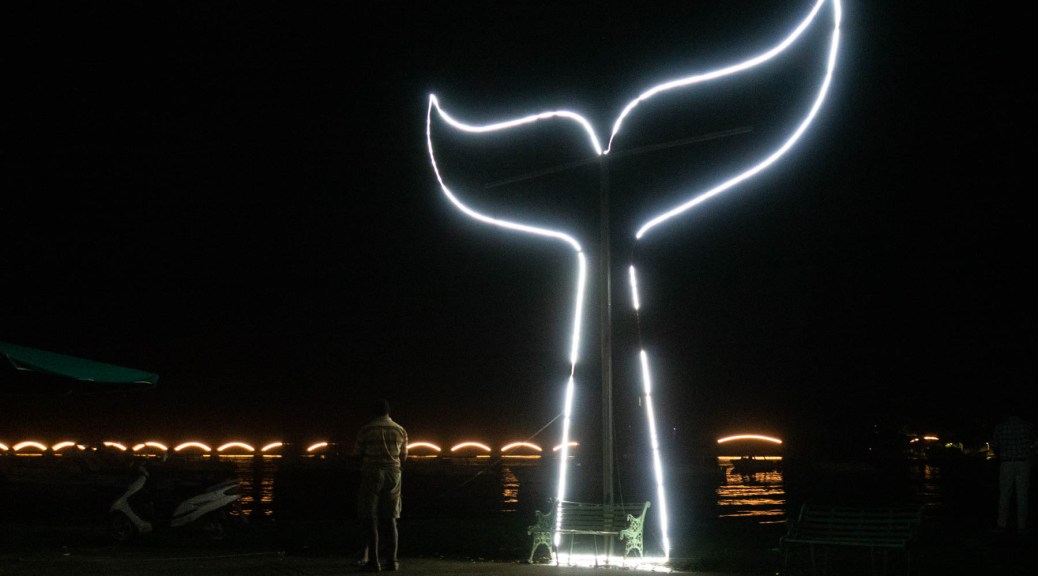
Humpback whales slap their tails and fins in a repetitive fashion and leap out of the water and twist on to their backs (breaching). The resulting sounds travel underwater and seems to communicate messages to other whales.
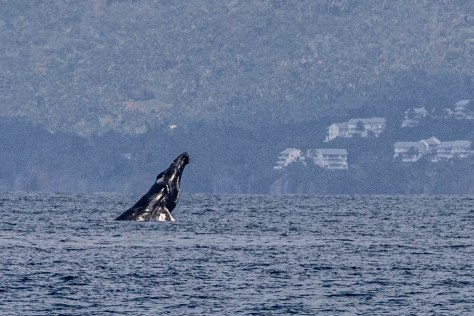
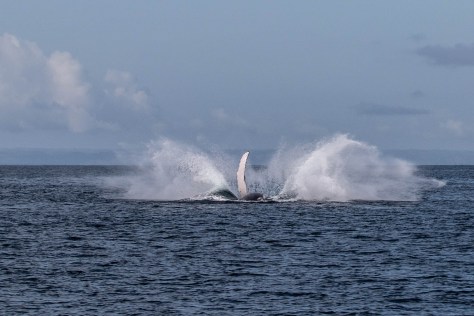
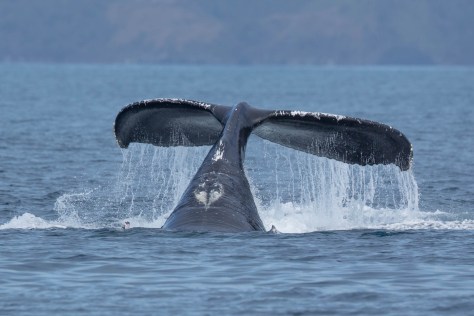


Humpback whales slap their tails and fins in a repetitive fashion and leap out of the water and twist on to their backs (breaching). The resulting sounds travel underwater and seems to communicate messages to other whales.
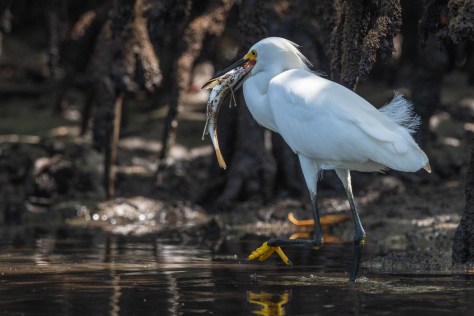
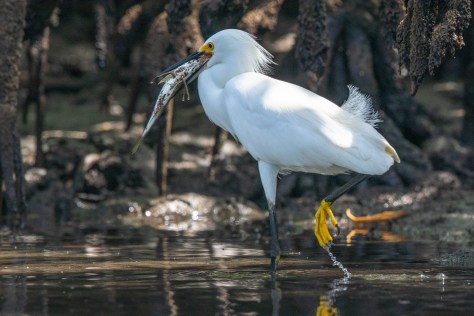
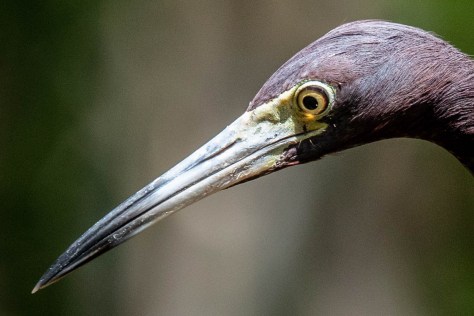
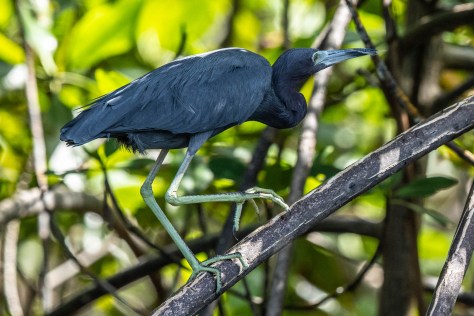
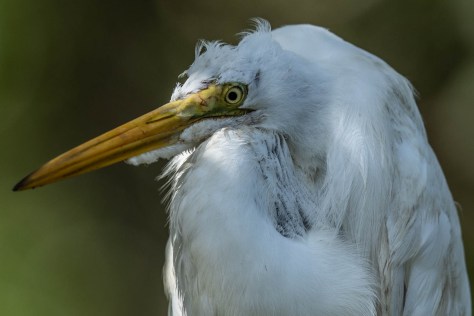
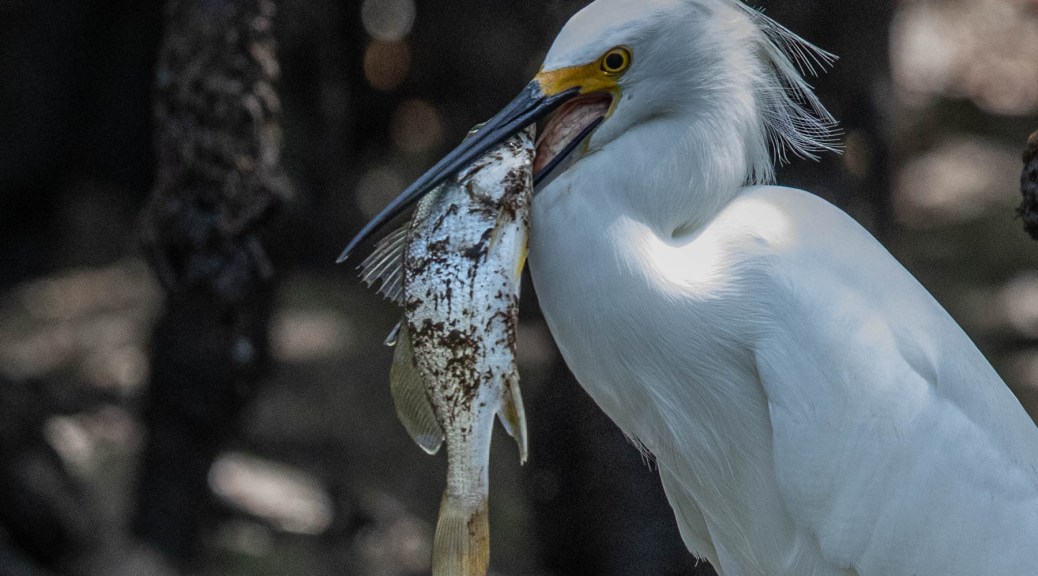
Mangrove jungles are a breeding place for fish and a perfect place for fishing herons (Reiher). This white heron robbed the fish from a grey heron and was then attacked by other herons. It couldn’t swallow the big fish fast enough.
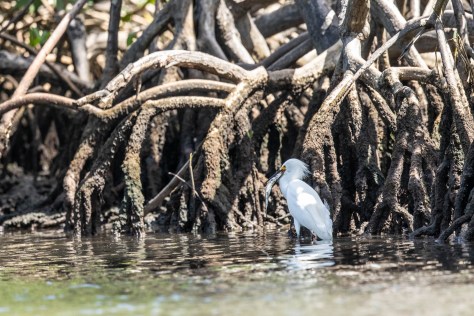


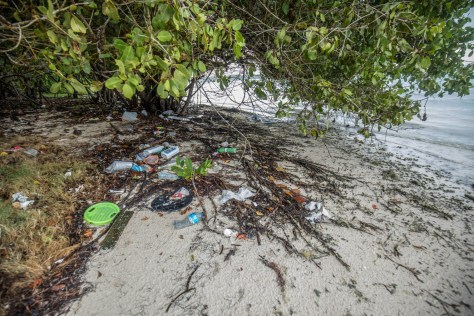
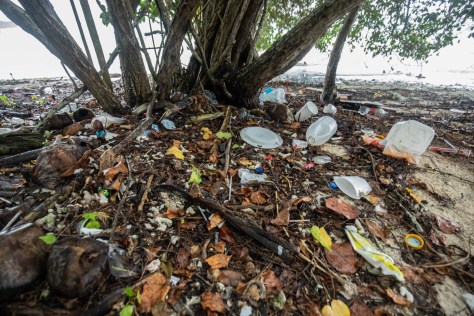
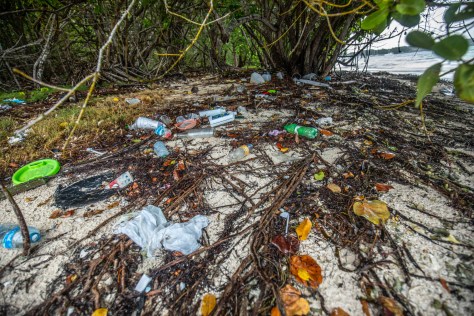
Some caribbean tourist beaches are cleaned every day to get rid of plastic and other garbage. Others not, as this mangrove coconut coral island near Boca Chica in the south of the Dominican Republic.
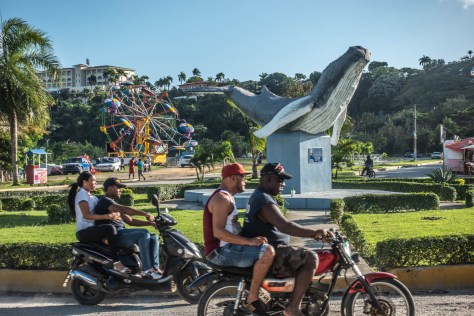
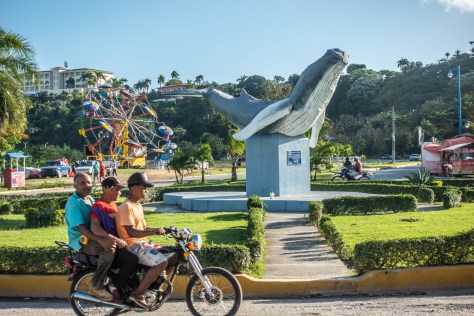
In Santa Barbara in the Samana Bay in the North East of the Dominican Republic, Whale Watching provides jobs for a lot of people.

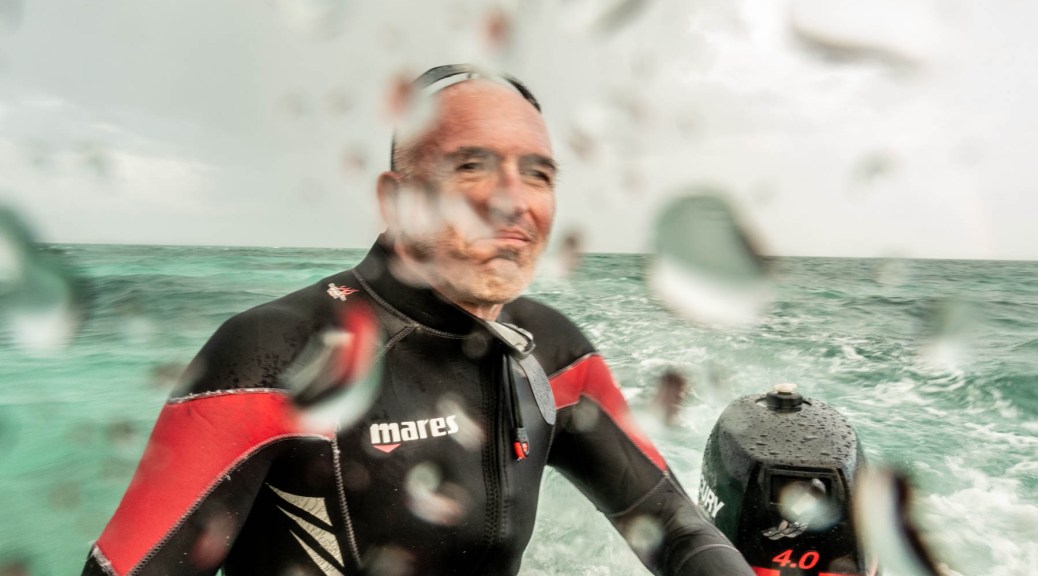
Fifteen miles to Isla Catalinata, a remote and uninhibited Island north of Saona Island, driving a small dingi, on our never ending search for the best snorkeling spot. On our way back, we encountered more squals and wind than we cared for. Luckily, the ambitious snorkelers Ivan, Finn and Uwe we already were wearing wet suits.
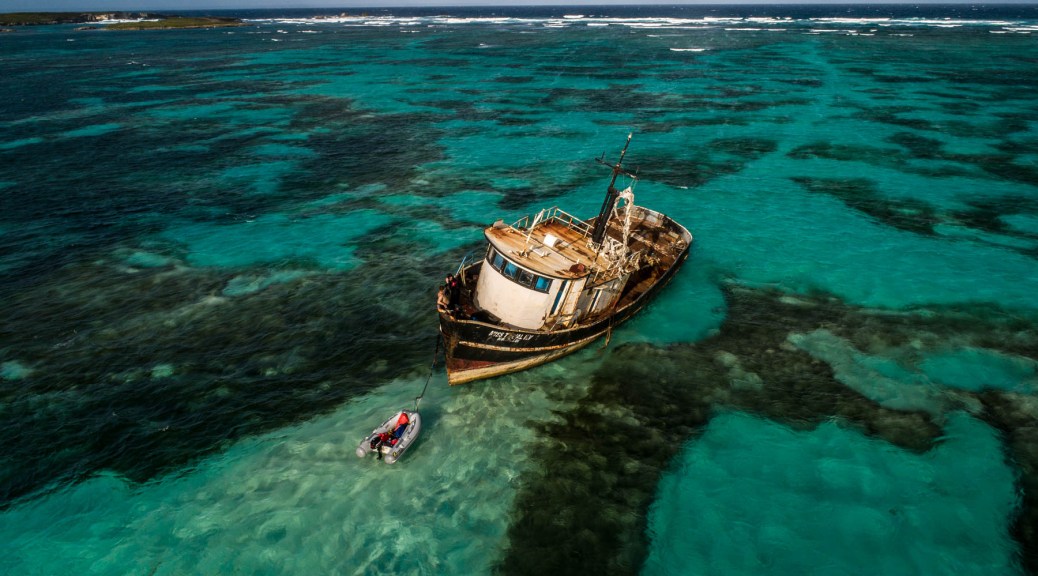
The Mona Passage between the Domican Republic and Costa Rica should be sailed by experienced sailors only. Wind, waves and current are hard to predict and many times can be very challenging. The currents are so complex that you can literally be pushed onto the shoals and not realize it until you sense that you are getting thrashed. (Virgintino, Frank, A Cruising Guide to the Dominican Republic). Thus, there are quite a few shipwrecks near the Catalinata Island south of the “Cheating Cape” (Capo Engado). Fisherman that were unable to cross the breaking waves of the outer reef are spending the nights in the shipwrecks.
Saona Island, in the south of the Dominican Republic, is a nature park with semihumid vegetation. It provides a perfect anchorage in front of coconut trees – if the anchor doesn’t drag in the stong trade winds (Passatwinde) on a rocky bottom covered only with a thin layer of sand.
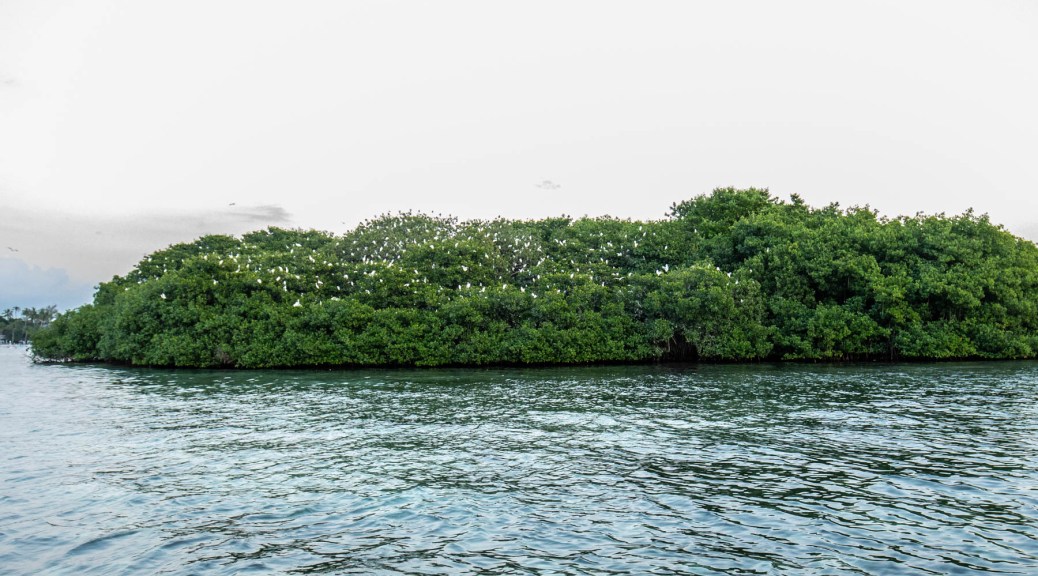
White Herons in the Dominican Republic (Great Egret, Silberreiher) enjoy coastal areas including lagoons, wetlands, ocean, and beaches. Here they sit in mangrove trees of a small island in a lagoon near the main capital Santo Domingo (Boca Chica), undisturbed by jet skis and other extensic water sport activities.

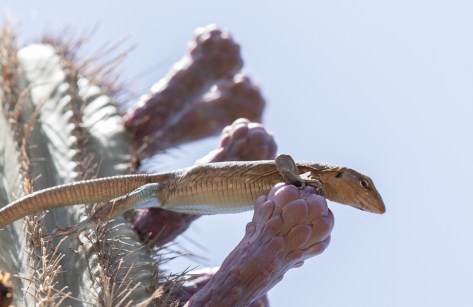
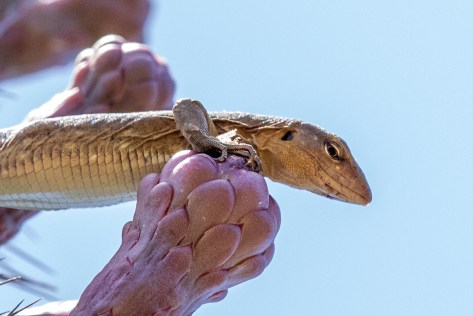
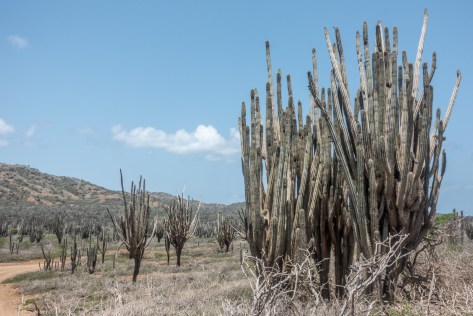
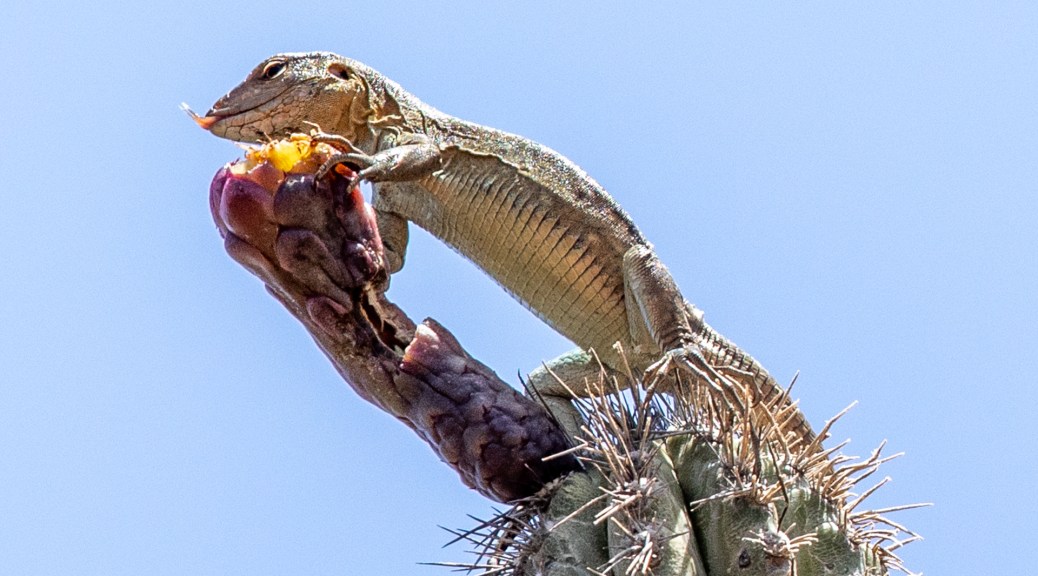
Three cacti species, which can grow up to 10 m, dominate the arid landscape of the ABC islands. More information. Their fruits and flowers provide critical food resources for a variety of the islands’ bats, birds and reptile, like these whiptail lizards.


At the Tug Boat Beach, near a big jetty (Dock) and industrial garbage, the Coral Restoration Foundation Curacao maintains coral supporting trees. These trees hold coral fragments, providing them with perfect growing conditions. The Foundation helps rebuilding reefs by outplanting clusters of corals on structures all along the coast of Curacao. The corals will in time overgrow their structure and form a new, independent coral colony to house many types of fish and marine species.



 coconutmilk.de