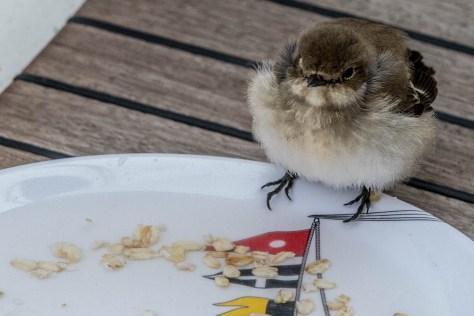
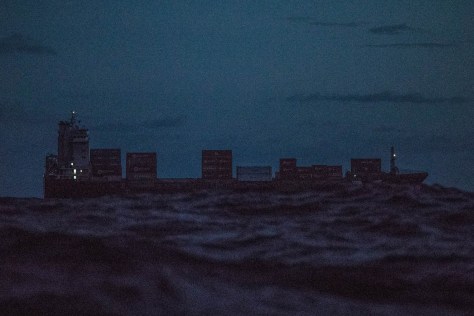
After cruising five miles offshore for twenty hours, avoiding container ships in the night, not so many birthday guests could be expected to enjoy the delicous vegetarian lunch. However, one surprise guest made it to our ship. The sparrow happily accepted a drink.
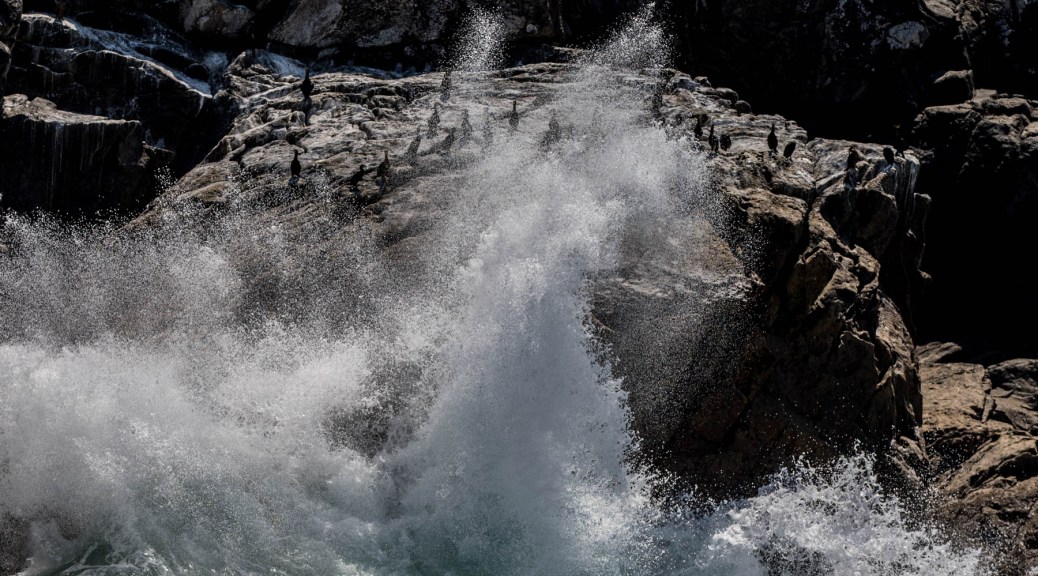
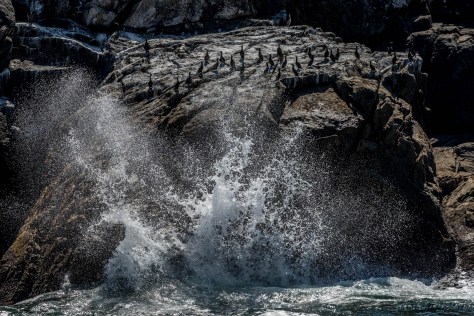
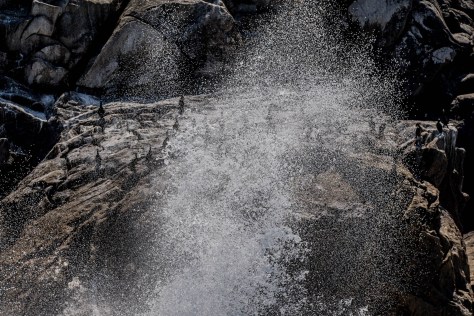
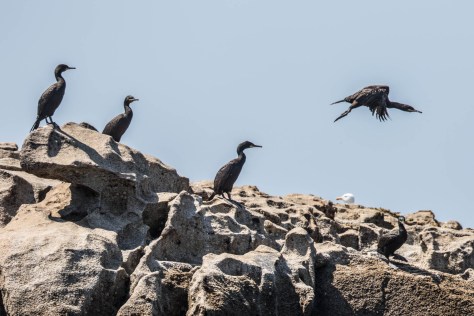
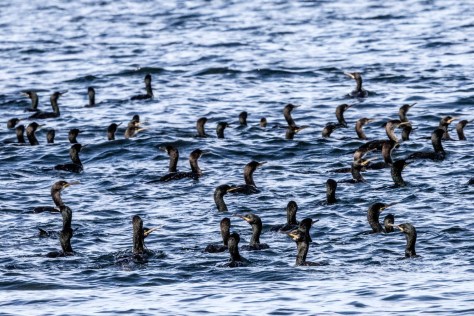
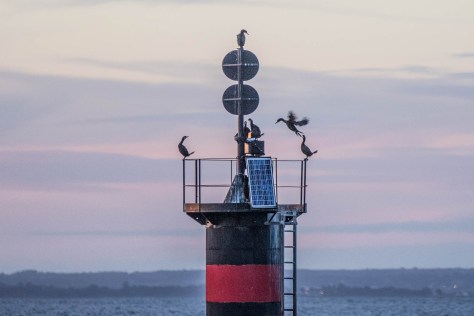
Cormorants (Kormorane) are fish-eaters and excellent divers, some have been found to dive as deep as 45 metres. They have relatively short wings due to their need for economical movement underwater, and consequently have the highest flight costs of any flying bird. These were observed at the Islands of Cies, National Park Galicia, but they range around the world, except for the central Pacific islands. (https://en.wikipedia.org/wiki/Cormorant)
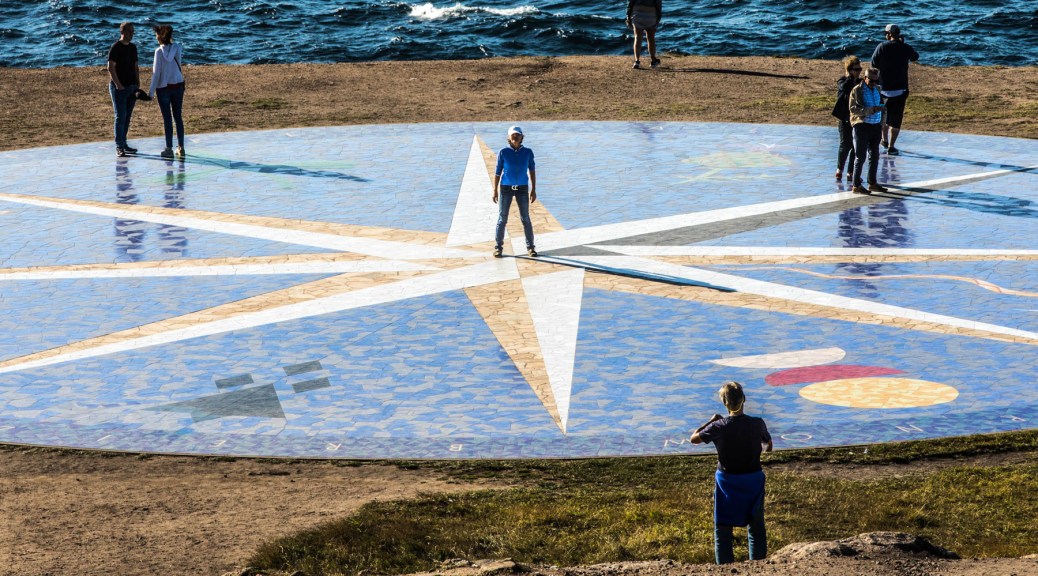
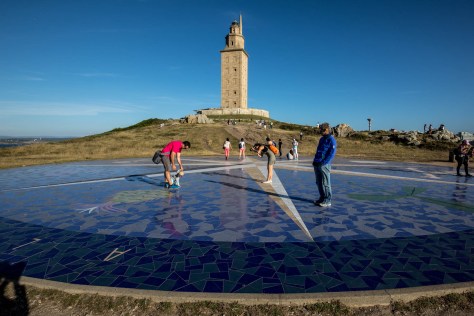
Some of the countries on our route have a strong celtic tradition: France with Brittany (Breizh, Bretagne) and north-western Iberia with Galicia (Gallaecia), northern Portugal and Asturias. In A Coruñ, Galicia, we visited the compass rose that represents the different Celtic peoples.
In Lorient (Brittany), we participated in the Festival Interceltique. Here, each summer, about 700,000 people gather to celebrate Celtic tradition and Celtic dancing:
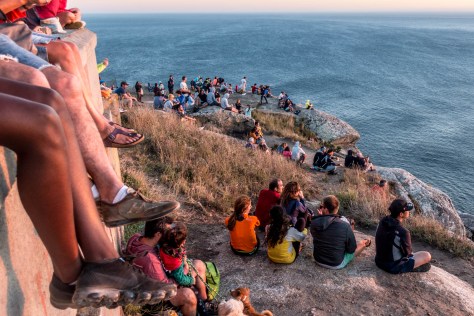
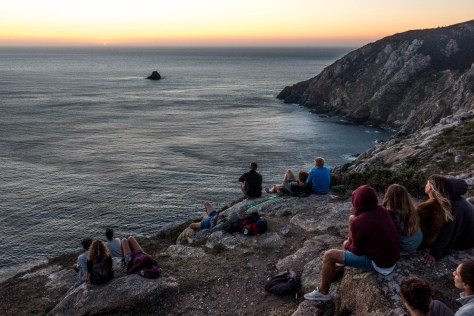
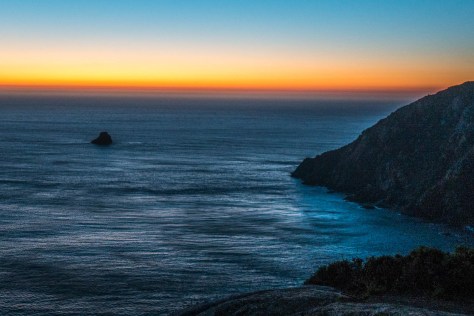
Cabo de Finisterre (spanish) or Cabo Fisterra (galician): for many pilgrims, watching the sundown here is the end of the journey following the Camino de Santiago (Way of Saint James way, Jakobsweg). Many follow its routes as a form of spiritual path or for hiking and cycling. The cape Finisterre is one of the westernmost points of the Iberian Peninsula.
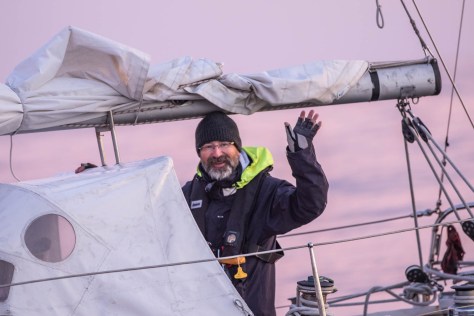
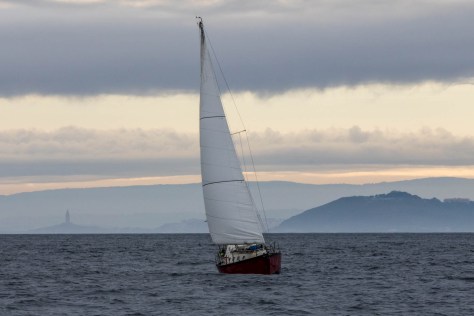
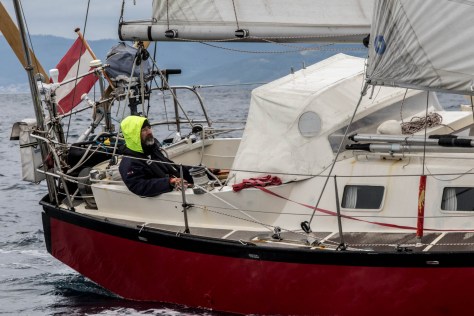
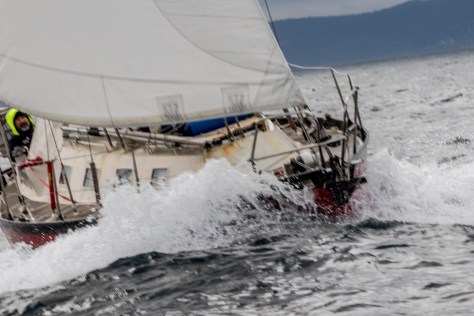
Our dear Austrian friend Alex, sailing in the Atlantic Ocean from England to Portugal, joins us for a week with his iron made Sailing Boat Three-Eleven to visit the beautiful rias (deep bays) of Galicia, North Spain.
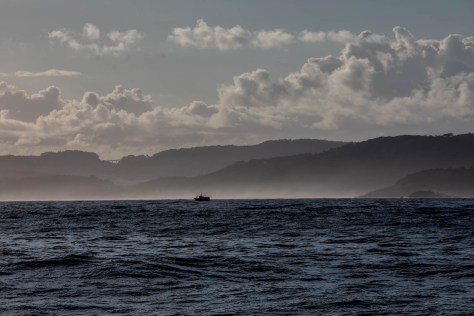
Crossing the Biscay from France (Brittany) to Spain (Galicia): a challenge for sailors. Three nights and two days on the open ocean, hoping not to run into a southwest storm, that builds steep waves. We had good wind at first, rain in the end and never enough sleep.
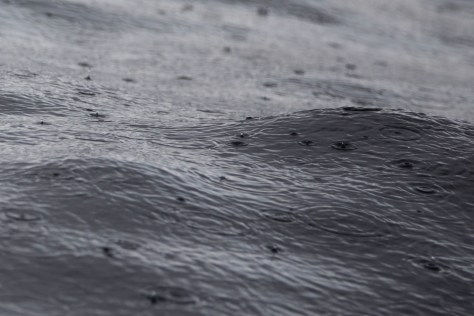
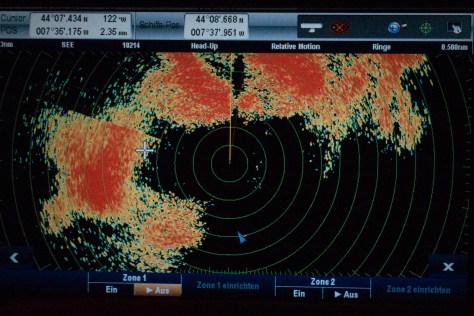
Rain Radar:
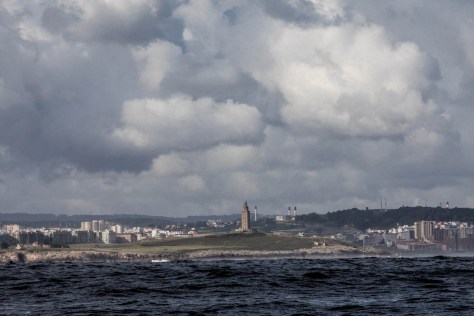
A Coruna, North Spain (meeting point fo blue water sailors): Torre de Hercules.
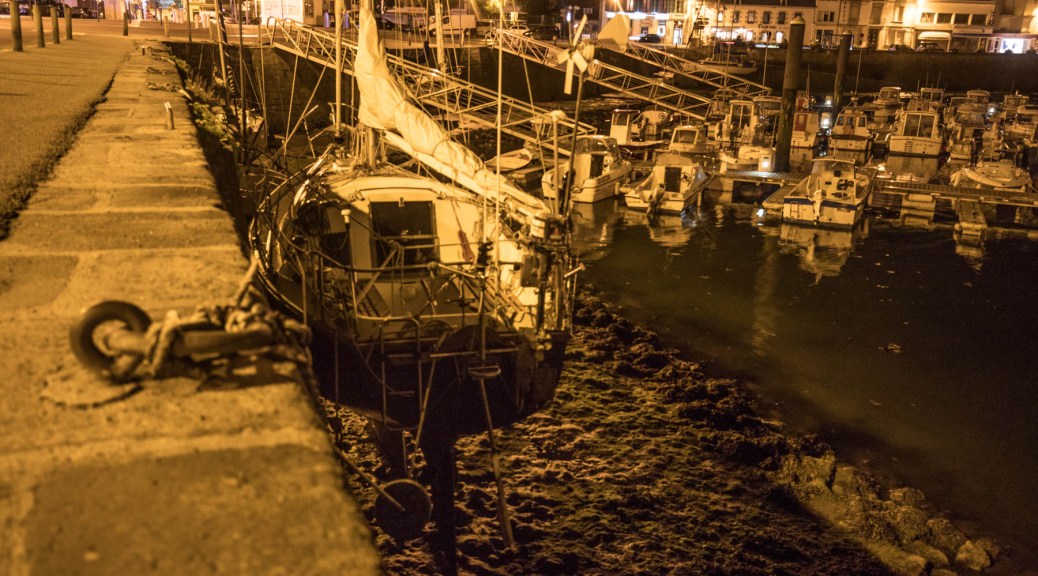
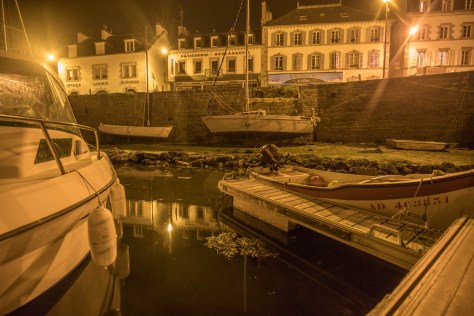
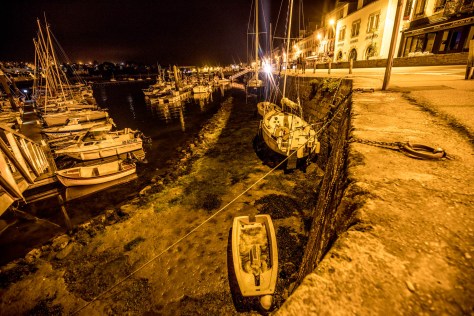
Guernsy, one of the islands in the English Channel, has quite remarkable high and low tides. When entering a harbour, a sailor should know his tide times and tide charts.
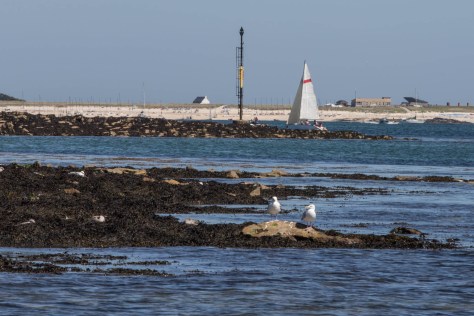
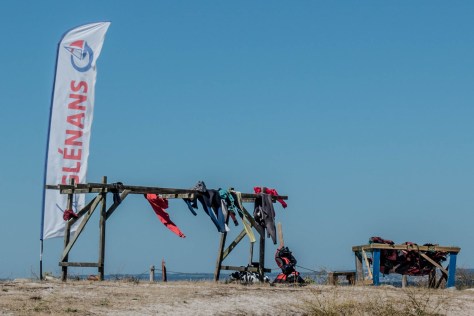
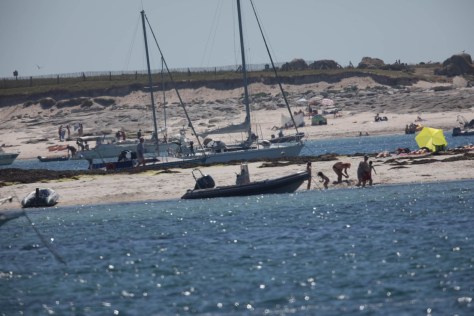
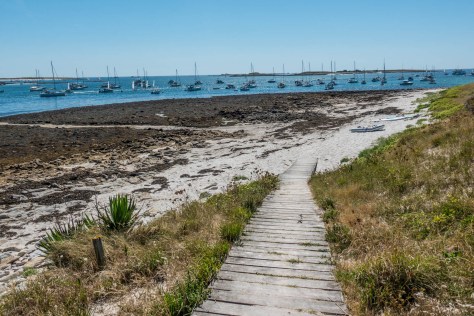
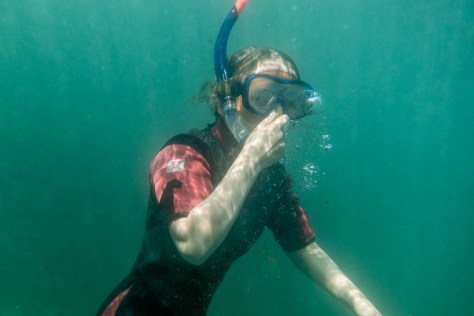
The Îles de Glénan are an archipelago of islands about 10 miles off the south coast of Britanny (Bretagne), only accessible in summer. They are famous with yachting people and are as close to caribbean feeling as a place in Britanny can get. They are well known for their sailing and diving schools.
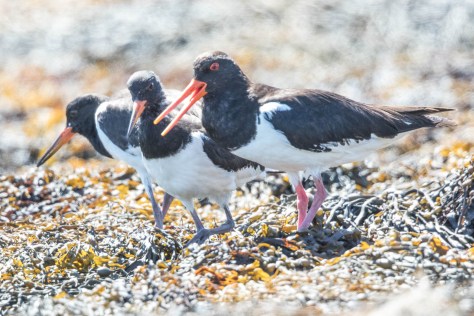
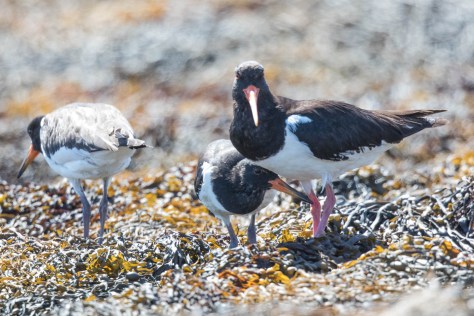
Eurasian oystercatcher at low tide at the shores of Îles de Glénan. They open molluscs or dig up worms. Despite its name, oysters do not form a large part of their diet.
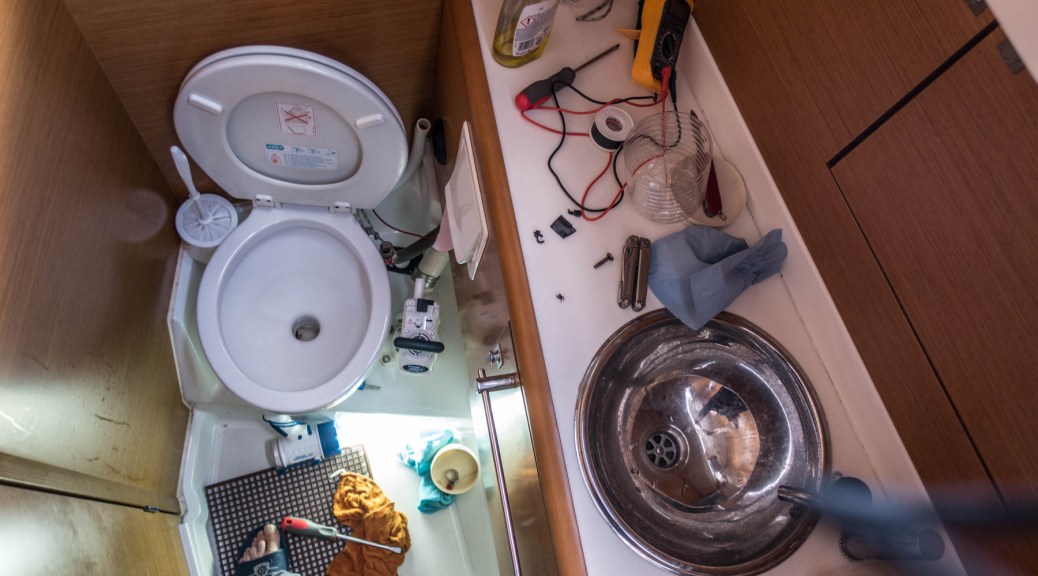
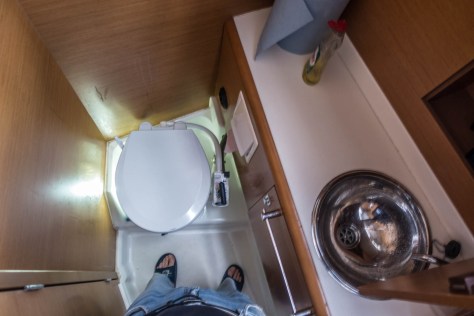
Which technical skill is most important for blue water sailing? Most yachtsmen will certainly agree: toilet repair skills are most valuable for circling the world. We offer a serious discount for travelers with this important practical knowlegde.

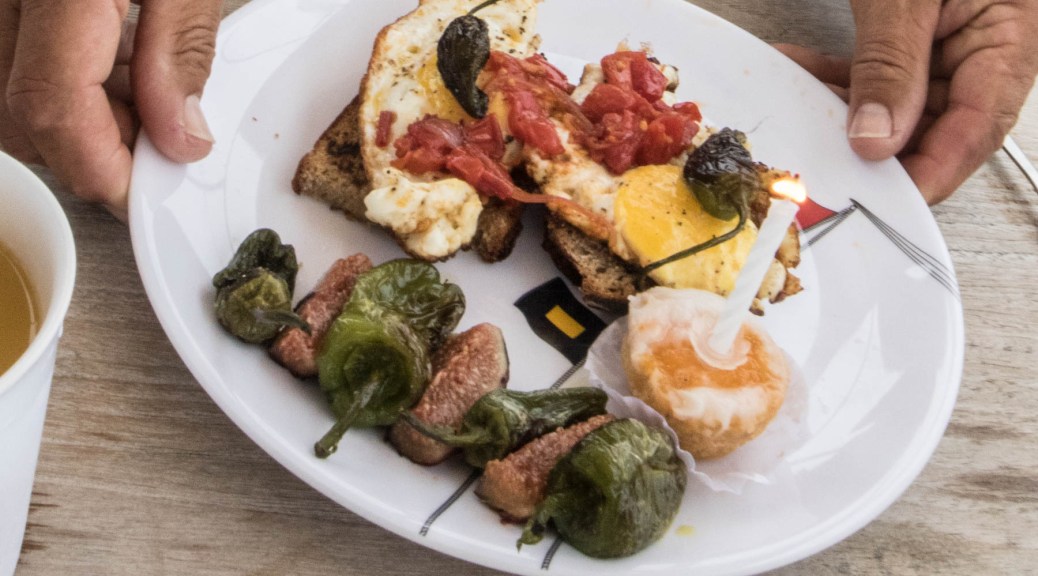
 After cruising five miles offshore for twenty hours, avoiding container ships in the night, not so many birthday guests could be expected to enjoy the delicous vegetarian lunch. However, one surprise guest made it to our ship. The sparrow happily accepted a drink.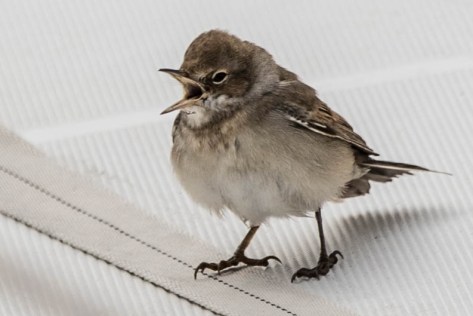

 In Lorient (Brittany), we participated in the Festival Interceltique. Here, each summer, about 700,000 people gather to celebrate Celtic tradition and Celtic dancing: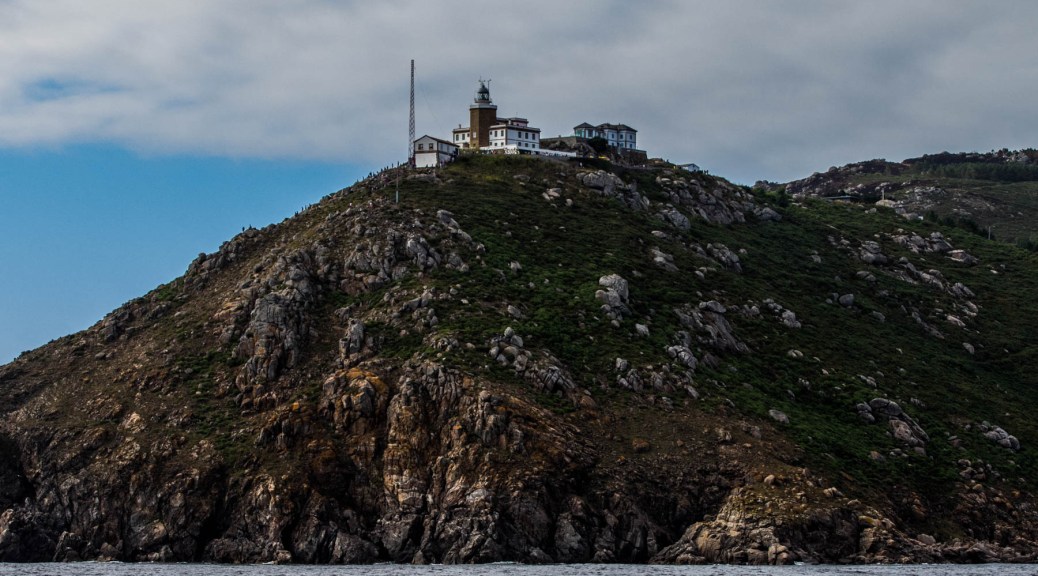







 coconutmilk.de