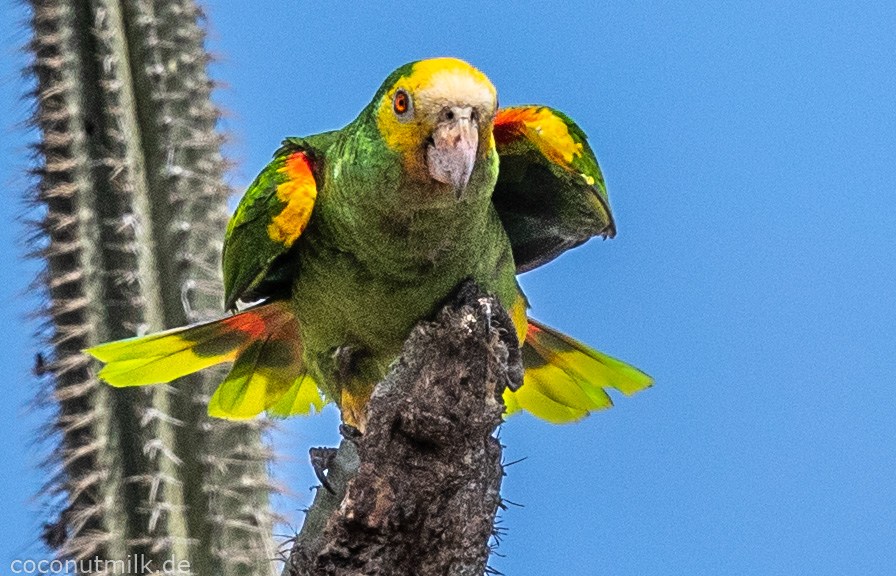
Green birds with yellow masks on their head fly with loud screams from one tree to another. The Caribbean brown throated parakeet is searching for fruit. It is a own subspecies of Bonaire.
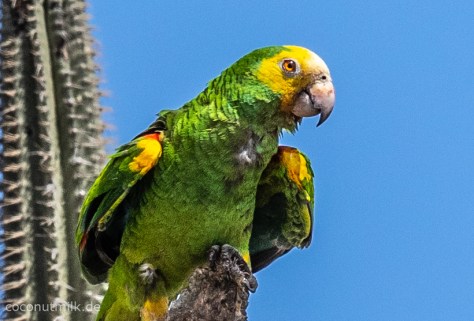



Green birds with yellow masks on their head fly with loud screams from one tree to another. The Caribbean brown throated parakeet is searching for fruit. It is a own subspecies of Bonaire.
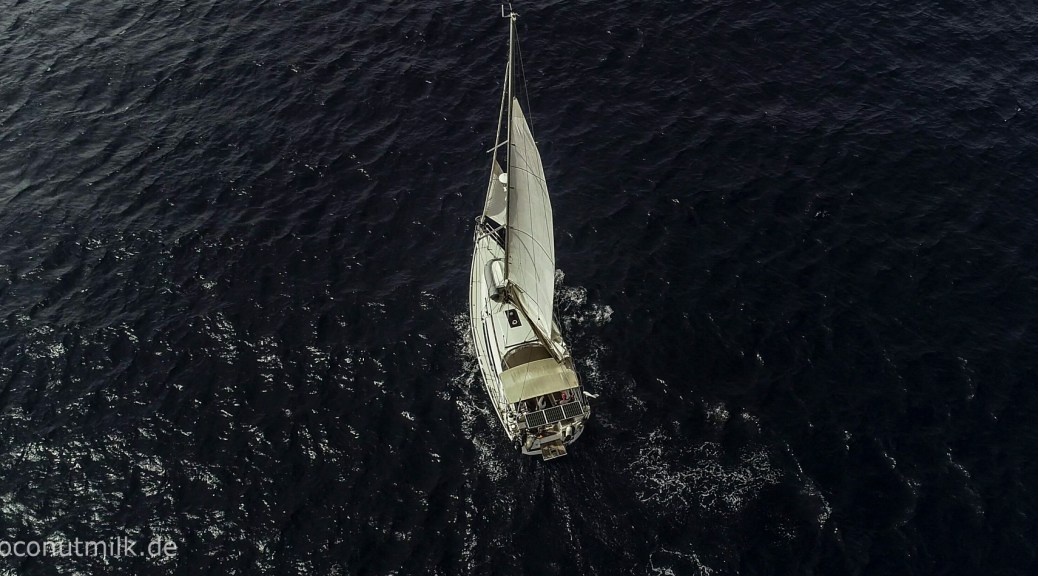
Flying a drone from a saling yacht under sails is always a risk – especially if high waves and high winds may make it impossible to grab the drone when landing it at the back of the ship. Therfore, we choose a protected spot behind Klein Curacao for the first Orinoco under sails drone video. Thank you, Sascha, for catching the drone and thank you, Nick, for sailing the boat.
I will never forget this sound: thousands of Hermit Crabs (Einsiedlerkrebse) that bump into each other when walking around, thus producing a crackling sound. They arrive in the afternoon after tourists have left this remote island two hours away from Curacao – and eat everything one hundred visitors have left over after their rib and hamburger lunch.
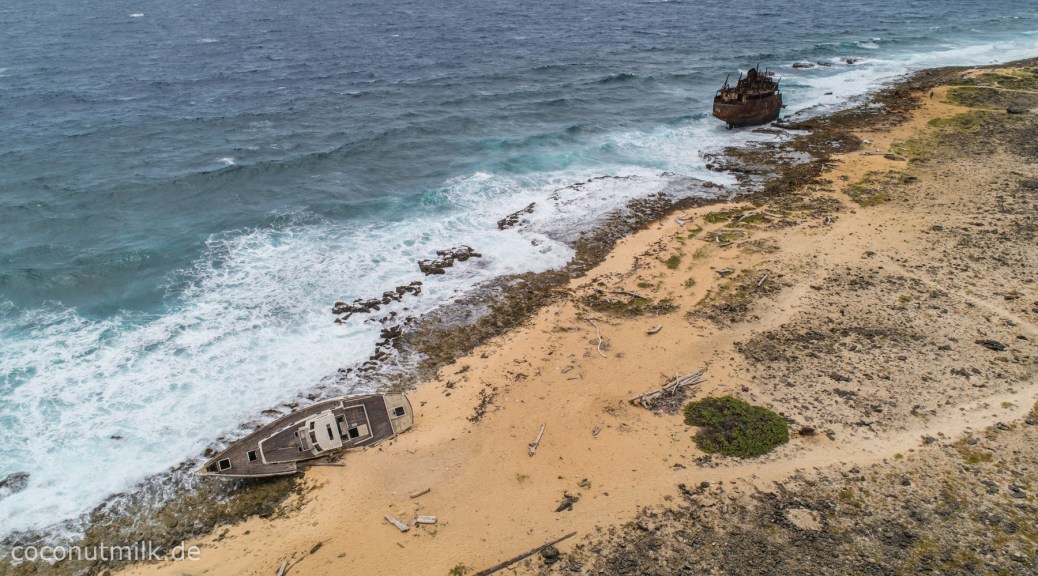
Klein Curacao is a small uninhibited island between Curacao and Bonaire. It has some huts for daytime visitors from Curacao and a “new” lighthouse, after the old one was destroyed by the last recorded hurricane in that area in the late ninetieth century. But as often in the Caribbean sea, lighthouses are not always lighted. A lot of ships have been wrecked on the rough east coast. The sailing boat skipper supposedly had bad marine charts, not showing Klein Curacao. The two nights we stayed at the west coast, we were one of only two sailing yachts mooring there. Thank you, Tjacco, for your hospitality.
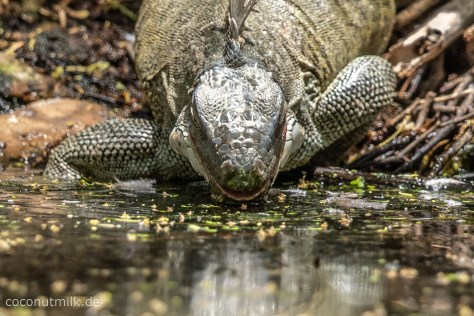
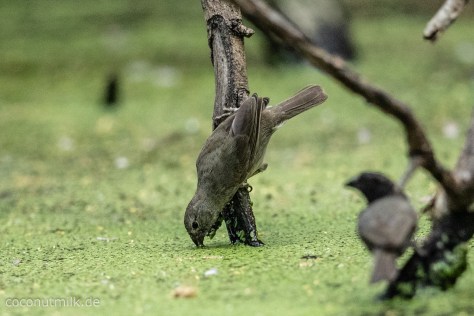
As Bonaire is very dry, the very few fresh water wells had been very important for inhabitands in former time. The people in Bonaire now produce desalinated water, but the Bronswinkel’s Fresh Water Well is still important nowadays for a lot of animals, including birds, iguanas, lizards and goats.




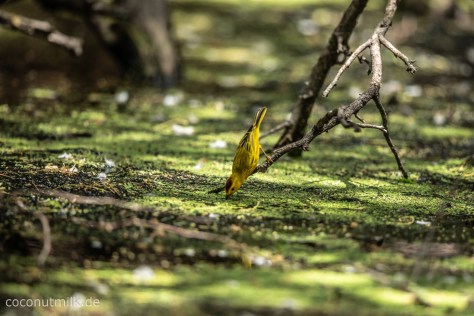
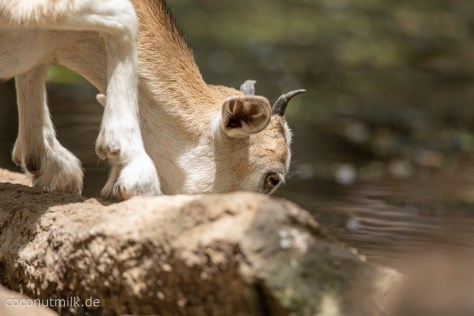
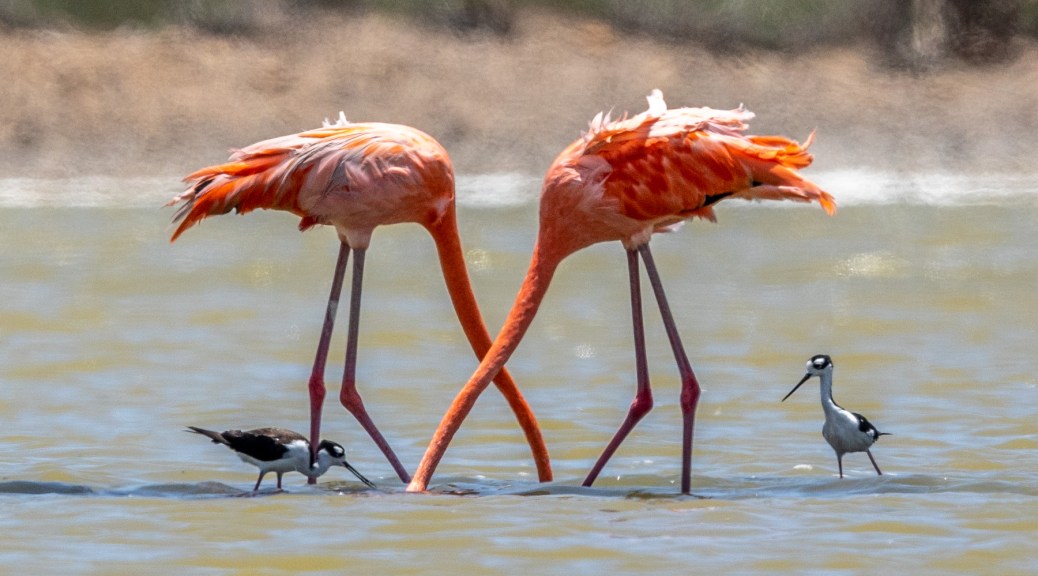
The grey feathers of flamingos turn pink in the wild because of a natural pink dye they obtain when feeding on shrimp and blue-green algae. The wetlands and lagoons in Bonaire provide a rich amount of food for these animals.
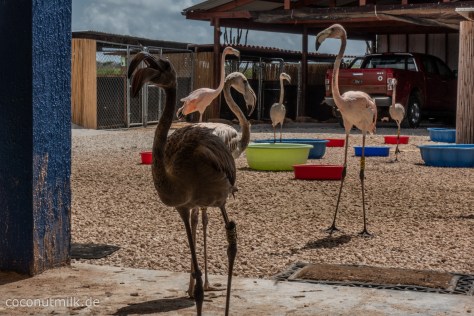
In the bird rehab in the South of Bonaire we saw the younger flamingos kept there to have grey feathers. The Mangrove Info Center opened the Wild Bird Rehab as a bird sanctuatry to provide a home for the island’s sick or injured birds.
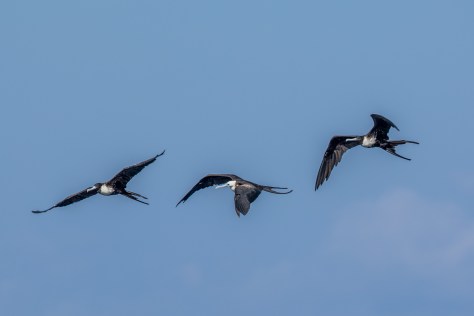
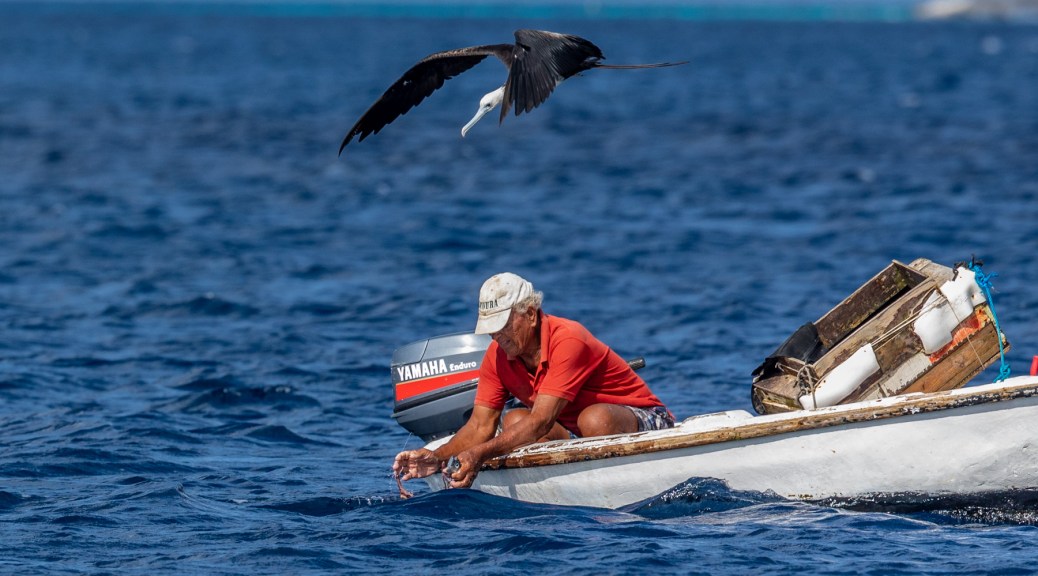
Able to fly for weeks on wind currents, frigatebirds spend most of the day in flight hunting for food. Their main prey are fish and, as in this case, squid, caught when chased to the water surface by tuna – or privded by a fisherman. They occasionally rob other seabirds for food.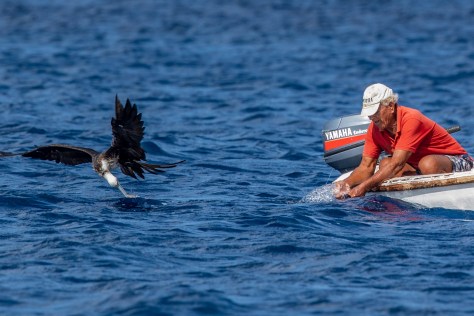
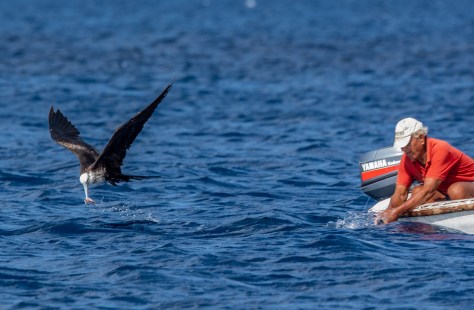
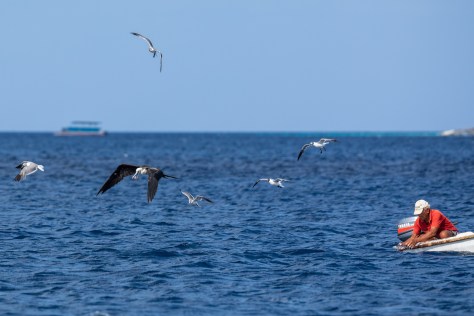
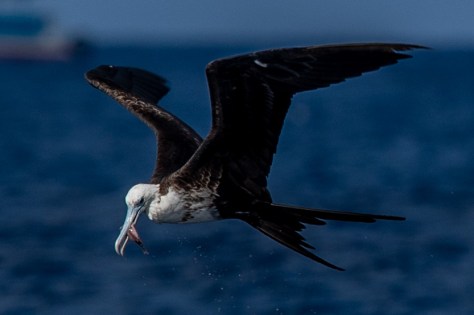
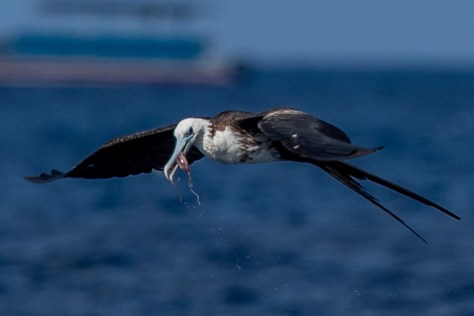
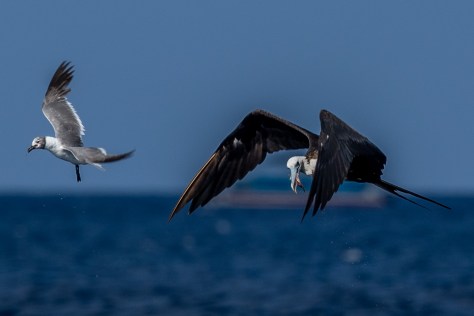
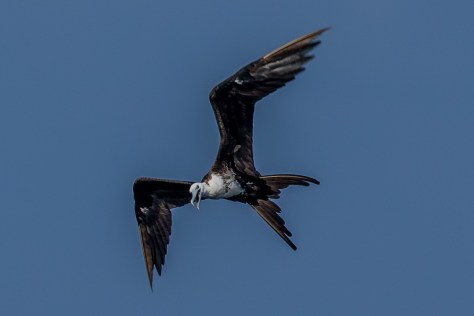
I have never seen so many squids. At the Tugboat Beach in Curacao there seemed to be several families with adult animals and children that were swimming in the shallow water.
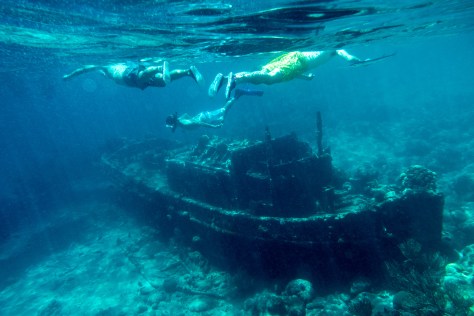
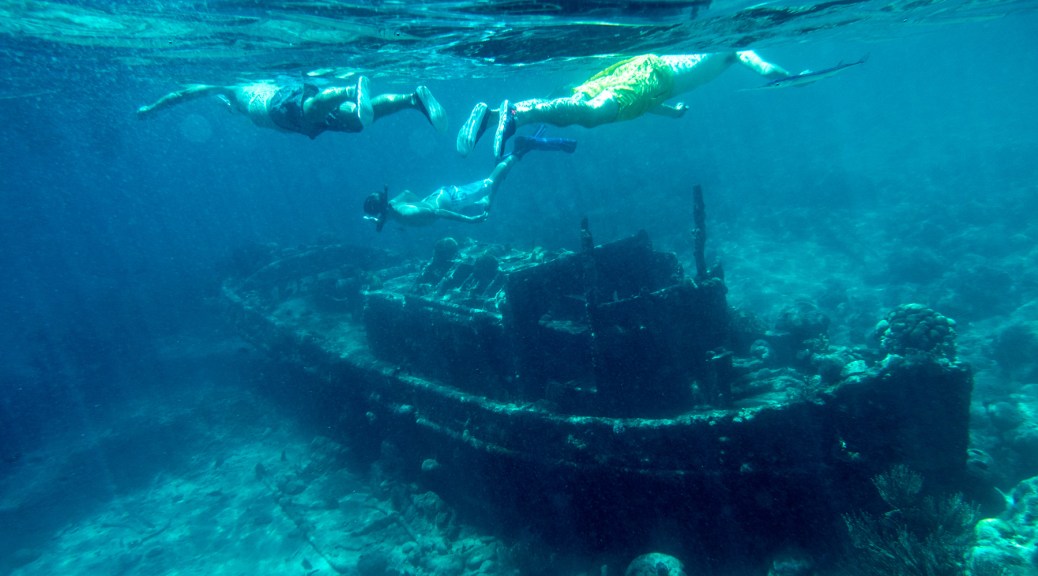
The Tug Boat (Lotsenboot) Beach is said to be the best snorkelling site in Curacao. It is snorkelling in an industrial area, right next to a huge dock and possibly a ship that stays there for maintenance. However, there is a nice bar and in a depths of only three meters deep you find the sunken tugboat.
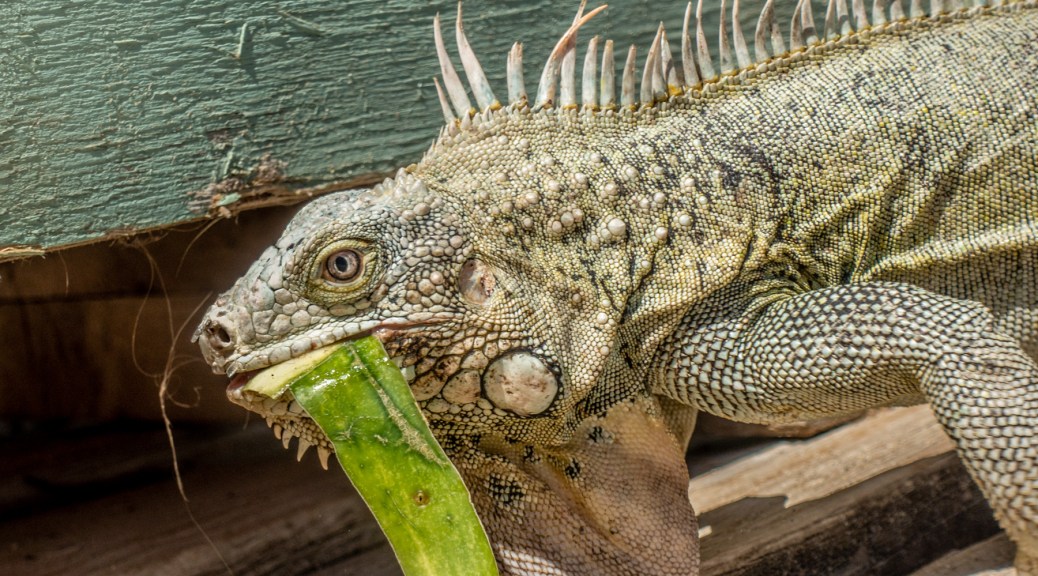
An old man was feeding Iguanas (Leguane) at the Tug Boat Beach in Curacao. He knew that the smell of moisture atracts these herbivorous lizards. And I knew that Iguanas are commonly eaten in Curacao, as soup or stew (Eintopf). I asked wether he eats them, an he answered: “This is Curacao”. I took that for a yes.



 coconutmilk.de